21805 FOOTHILL BLVD, HAYWARD, CA 94541
 1-510-581-6804
Where Can You Get a Dozer Radiator Repaired Near Livermore?
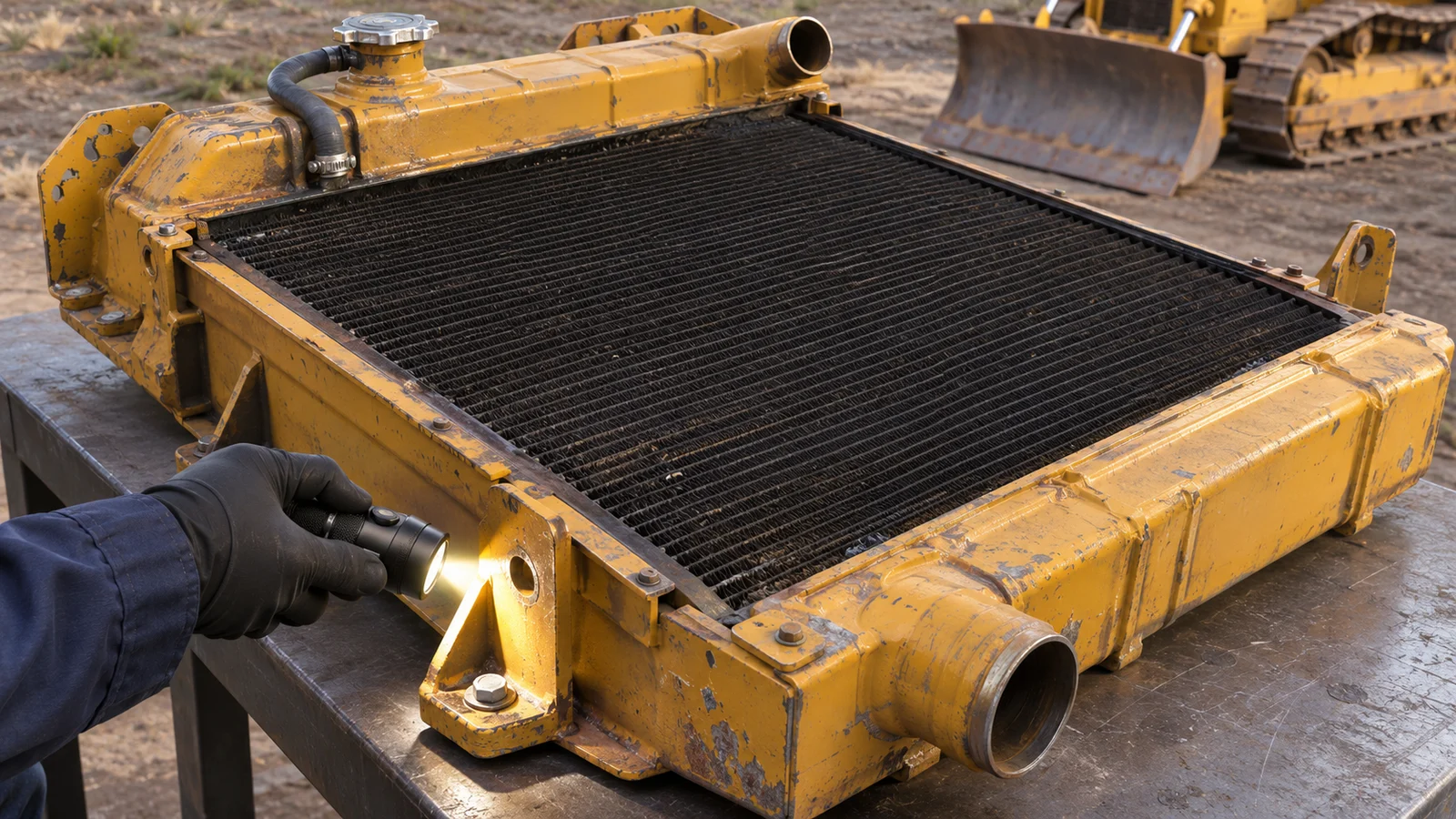
For a dozer radiator repair inquiry near Livermore, identify the machine and installed radiator, describe the symptoms and photograph any visible damage safely. Pankey’s in Hayward can discuss the component and the information needed before a service scope is established.
A bulldozer is built to work in an environment that is rarely kind to cooling equipment. Dust is part of the picture, but so are vibration, packed debris and the occasional close encounter with material that never belonged near a radiator. When something changes, a useful service inquiry begins with evidence rather than a guess.
If your dozer is working around Livermore, you may be looking for a radiator repair shop that understands industrial equipment. This guide covers the questions to ask, the photographs that help and the difference between a dirty core and a damaged assembly. It is about preparing for service, not diagnosing a particular machine from a distance.
Who services dozer radiators near Livermore?
Be specific about the equipment when you contact a shop. ‘Dozer radiator’ is a more useful starting point than ‘radiator repair’ by itself. Include the manufacturer, model and serial information if available, plus any identification on the radiator that is actually installed.
Pankey’s lists Caterpillar dozer radiator service among its industrial equipment offerings. The shop is in Hayward. If you are asking about a different make, explain that clearly and confirm whether the particular assembly is suitable for the work you need discussed. A general equipment category does not establish support for every configuration.
Describe whether the dozer is still operating, has been stopped because of a warning or has a radiator already removed. Report what the operator observed, including when the temperature changes or where coolant appears. Avoid describing an entire cooling package as a single radiator if you are unsure which circuit is affected.
It helps to separate three questions: what is wrong with the machine, what condition is the radiator in and what work is appropriate for that component? The answers may overlap, but they are not interchangeable. A radiator assessment cannot automatically rule out faults elsewhere in the cooling system.
What dozer radiator damage should I photograph before calling?
Start with an overall view that shows the radiator’s orientation and surrounding structure. A close-up of a damaged area is much easier to interpret when the person reviewing it can also see where that area sits on the assembly. Photograph identification markings separately if you can reach them safely.
Useful detail views include the core face, tank seams, connections, mounting points and any area that appears wet, rubbed or distorted. Record which side you photographed. If the radiator has been removed, keep the pictures organized so an inlet, outlet or bracket is not confused with a similar feature elsewhere.
| Photo or detail | Why it helps | Keep the limit in mind |
|---|---|---|
| Whole assembly and frame | Shows orientation and configuration | Does not reveal internal condition |
| Identification and part markings | Supports a component identification discussion | Installed replacements may differ from original equipment |
| Tank seam or damp area | Locates a visible concern | A wet surface does not confirm the source |
| Mount, shroud or contact mark | Shows nearby installation conditions | A photograph alone cannot establish cause |
| Core close-up with wider context | Distinguishes buildup from visible physical damage | Hidden surfaces may still need assessment |
Do not run the machine or open a hot cooling system just to make a leak easier to photograph. Follow the machine’s safe shutdown, cooling and isolation instructions. If access is obstructed, say so. A missing photo is better than an unsafe attempt to reach a moving fan or pressurized connection.
Keep the original images rather than only heavily cropped screenshots. Ask the shop how it prefers to receive them. The contact form starts a conversation; do not assume it has an attachment field or that sending an image establishes an approved repair scope.
Can dozer radiators be repaired instead of replaced?
A repair decision depends on the specific damage, material and overall condition. A local defect in otherwise suitable material is a different discussion from broad deterioration, extensive impact damage or an assembly with several previous modifications. The visible size of a mark is not a reliable measure of the work involved.
Ask what the assessment can establish and what remains uncertain. If repair is proposed, ask which defect is being addressed and whether adjacent material or components affect that option. If replacement is discussed, confirm the connections, dimensions and mounting arrangement instead of relying on a machine name in a parts listing.
Cleaning may be part of the conversation when buildup is restricting airflow or hiding the condition of the core. It is not a substitute for addressing structural damage or a leak. Equally, a dirty radiator is not automatically beyond repair. The component needs to be considered in context.
Caterpillar’s radiator maintenance guidance recommends keeping radiator fins clean and avoiding high-pressure water that could damage them. Use the instructions for your own dozer and installed assembly when planning maintenance. A cleaning method suited to one component may be inappropriate for another.Record nearby problems such as a loose support, contact with a guard or an unsupported hose. Those observations may matter when the assembly is reinstalled. A radiator repair does not by itself correct every machine condition that could contribute to repeated damage.
What affects the cost of dozer radiator service?
The cost discussion needs a scope before it needs a number. Explain whether you are seeking cleaning, leak assessment, a repair evaluation or help understanding the condition of an already removed radiator. Those requests can involve different work and different uncertainties.
Size, construction, access, contamination and the extent of damage can affect what is involved. Parts and previous modifications may also matter. Ask which information is sufficient for an initial discussion and which findings would require the component to be assessed more closely.
Clarify responsibilities for removal, handling, transport and reinstallation. A shop’s industrial radiator service listing does not automatically include mobile equipment work or collection from a Livermore jobsite. Confirm arrangements directly before promising a particular plan to an operator or project manager.
For a fleet or contractor, preserve the component identification alongside the estimate and maintenance record. A clear record helps when similar machines have different radiators or a component has been replaced previously. Include dates of observed symptoms and recent maintenance without inventing a cause.
The broader industrial radiator repair and cleaning guide explains additional questions about cooling components. Use it for background, then return to the evidence from your particular dozer when deciding what to ask the shop.
What questions should I ask before booking service near Livermore?
Can you identify the radiator from the dozer model alone?
The model is a starting point, but installed assemblies can differ because of configuration changes or previous replacements. Include radiator markings, connections and overall photos where available. Confirm identification rather than assuming that every machine in a family uses the same unit.
Does a bent fin mean the entire radiator needs replacement?
Not necessarily. The extent and location of damage matter, along with the rest of the assembly’s condition. A photograph can show a concern, but an assessment is needed before deciding whether a repair or replacement discussion is appropriate.
Should I keep working if the temperature warning appears?
Follow the dozer’s operator instructions for the warning and operating condition. Do not continue simply to see whether the reading improves. An online service guide cannot determine whether an unidentified machine is safe to operate.
Can a radiator shop diagnose the entire dozer cooling system?
Confirm the scope directly. Component assessment and whole-machine diagnosis are different tasks. Fan operation, coolant circulation, controls and other systems may need separate attention even when the radiator has a visible problem.
Does this mean Pankey’s has a Livermore location?
No. The shop is in Hayward. This article helps people with dozers around Livermore prepare an industrial radiator inquiry. Ask about the actual arrangements rather than assuming a local branch, collection service or jobsite visit.
How can Pankey’s help with dozer radiators near Livermore?
Pankey’s Radiator Repair Shop is at 21805 Foothill Boulevard in Hayward. Mario and Paul are the owners. Mario is the elder and most experienced of the two, and Paul handles estimating and general management. Give them a clear picture of the dozer, the installed radiator and the concern you want assessed.
For equipment based around Livermore, start by confirming the service inquiry and practical arrangements. Have the machine details, component identification and a short symptom history ready. Ask how to provide photographs and what should happen before any removal or transport is arranged.
The objective is a useful decision about the actual cooling component. You may be discussing cleaning, a suspected leak, damaged mounting hardware or whether further machine diagnosis is needed. Keeping the facts separate from assumptions makes that conversation more productive and keeps the proposed work understandable.