 21805 FOOTHILL BLVD, HAYWARD, CA 94541
 1-510-581-6804
- ALL
- Aluminum Oil Coolers
- Blog
- Boat Heat Exchangers
- Caterpillar Dozer Radiator
- Caterpillar Forklift Radiator
- Caterpillar Radiator
- Charge Air Cooler
- Copper Oil Coolers
- Drill Radiators
- Excavator Radiator
- Featured Articles
- Generator Radiator
- Heat Exchanger
- Heavy Duty Radiator
- Heavy-Duty Cooling
- Horizontal Generator
- Industrial Heat Exchangers
- Industrial Oil Coolers
- Industrial Radiators
- Loader Radiator
- Marine Heat Exchangers
- Semi-Truck Radiator
- Tractor Radiator
- Trends
- Truck Radiator
Bobcat Raises Loader Hydraulic Pressure: Why Attachment Work Belongs in Cooling Discussions
TRENDS · Equipment update and analysis · Source event: October 20, 2026 · Reviewed November 6, 2026
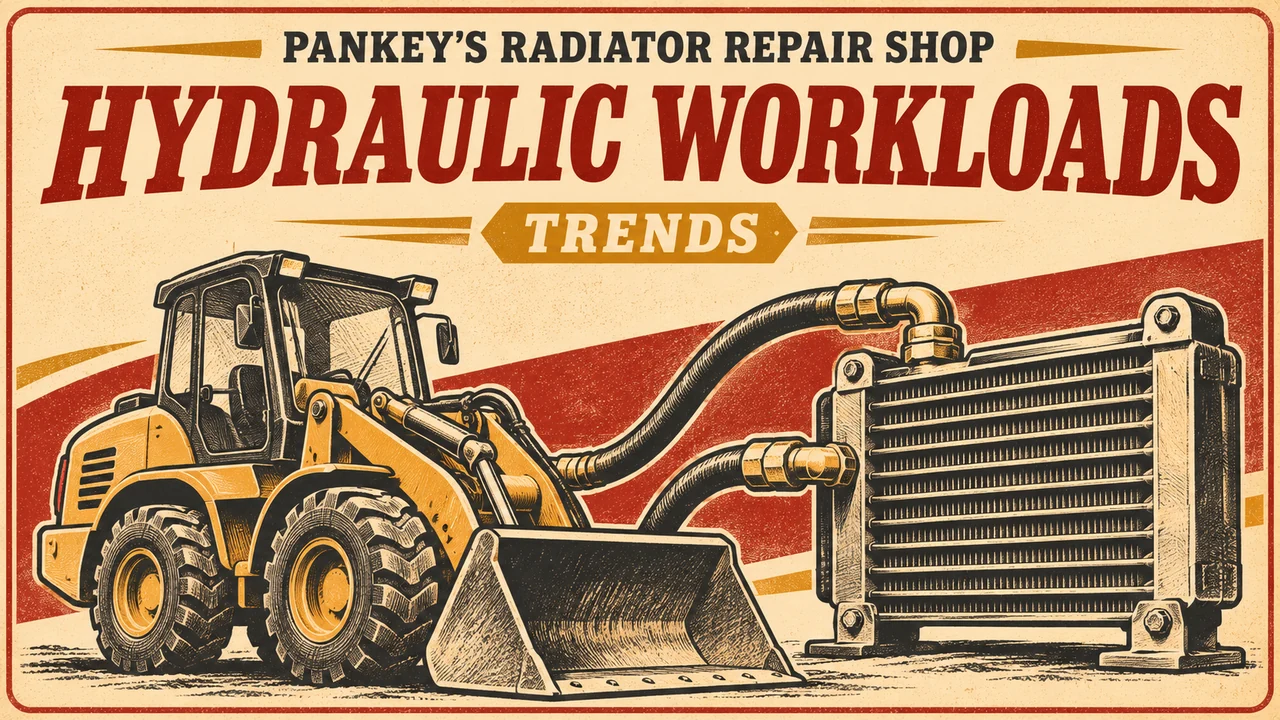
A more capable attachment can change the work a compact loader performs all day. Bobcat’s latest L65 and L95 update is a useful reminder to include actual attachment duties when talking about hydraulic cooling.
The development
Bobcat’s October 20, 2026 announcement, published October 23, describes L65 and L95 compact wheel-loader updates including revised controls, broader attachment compatibility and a 15% increase in hydraulic pressure, to a stated maximum of 3,408 psi. The release presents these as performance and versatility changes. It does not say the updated loaders have a cooling defect, nor does a pressure figure alone establish the heat generated during a particular job.
Read the original announcement.
Attachment capability and actual workload are different things
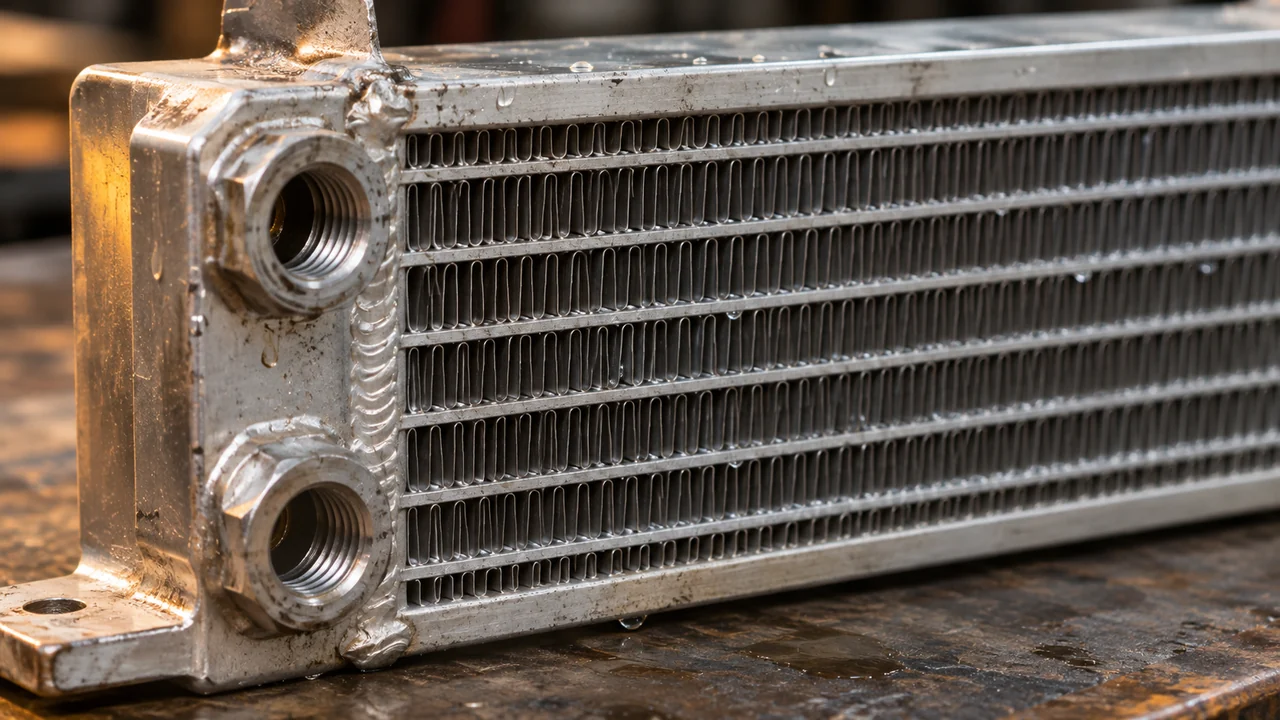
A specification tells an owner what equipment is designed to do, but the service conversation also needs to describe what the operator was doing. Continuous attachment use, changing tasks and the operating environment help put a temperature observation in context. That is a more useful connection than claiming higher pressure must mean overheating. If a hydraulic oil cooler is involved, it should be identified separately from the engine radiator. The two may sit near each other while serving different circuits.
Questions worth taking back to your equipment
Record the attachment type and the conditions under which the concern appears. Was the issue observed during attachment operation, travel or another activity? Were there warnings, visible contamination or leakage? Give those observations to the responsible machinery technician. They can help define whether a cooling-component inquiry belongs in the larger diagnosis, without using a new-product headline as the diagnosis itself.
| In the story | What it describes | A useful question |
|---|---|---|
| Higher pressure specification | An equipment capability stated by the manufacturer | What work was actually being performed? |
| Hydraulic temperature concern | An observation within a specific circuit | Which cooler and fluid are involved? |
| Attachment change | A possible change in the duty profile | What changed before the concern appeared? |
What to watch next
Watch for model-specific operating and service information as the updated machines reach owners. Our analysis is that better workload descriptions can improve a service handoff. The goal is to connect the symptom to the actual application, rather than to imply that an announced hydraulic improvement is itself a maintenance problem.
Two questions readers may have
Does higher hydraulic pressure automatically mean overheating?
No such conclusion follows from this announcement. Actual thermal behavior depends on the system, workload, conditions and component condition. A pressure specification alone is not a diagnosis.
Is a hydraulic oil cooler the engine radiator?
They serve different fluid circuits and should be identified separately. A technician can confirm the actual layout and which component is involved in the reported issue.
How Pankey’s can help
For an identified industrial oil cooler or loader radiator in the Bay Area, Pankey’s can discuss cleaning and repair inquiries. Include the machine, attachment and observed symptoms. Confirm the component-service scope with the Hayward shop while the qualified machinery technician handles the wider hydraulic or engine diagnosis.
Explore the relevant industrial cooling service or read our Hydraulic Oil Running Hot? Oil Cooler Cleaning and Inspection Questions.
Pankey’s Radiator Repair Shop · 21805 Foothill Blvd, Hayward, CA 94541 · Industrial equipment inquiries in the Bay Area. No passenger-car service.
