21805 FOOTHILL BLVD, HAYWARD, CA 94541
 1-510-581-6804
Who Repairs Loader Radiators Near San Leandro?
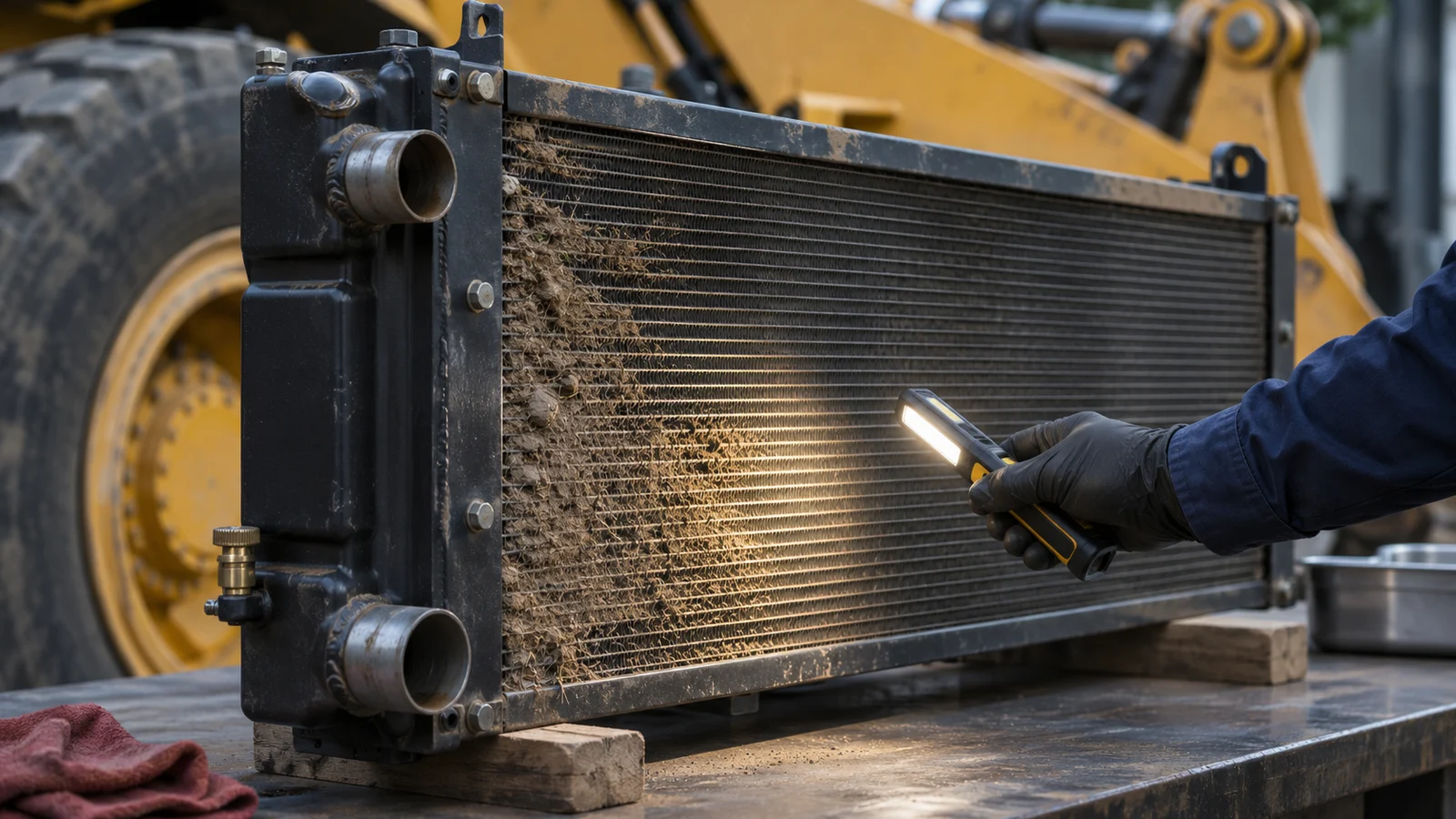
For loader radiator repair near San Leandro, start with the loader model, the installed radiator details and the symptoms. Pankey’s in Hayward accepts industrial equipment inquiries. Confirm the component, condition and proposed work before arranging removal or transport.
A loader spends a lot of time making a mess so the rest of the job can move forward. Unfortunately, its cooling pack can become a collection point for that same mess. Dust, fibers and oily debris are worth noticing, especially when the temperature reading starts behaving differently.
The useful question is not simply whether the radiator looks dirty. It is whether the machine has restricted airflow, a leak, physical damage or another cooling problem that needs attention. For operators and maintenance teams around San Leandro, this guide explains how to turn those observations into a practical radiator service conversation.
Who services loader radiators near San Leandro?
Search results can mix passenger-car radiator shops, replacement-parts sellers and industrial component services. Make your inquiry specific: this is a loader radiator, and you want to discuss cleaning, leak assessment or repair. That simple distinction helps avoid a conversation about the wrong kind of equipment.
Pankey’s has a dedicated loader radiator service page and a shop in Hayward. If the machine is working in San Leandro, explain whether it is still on site and whether the radiator is installed or already removed. Ask about the scope before making arrangements.
Identify the actual assembly as well as the machine. A loader may have several cooling components close together, and an older machine may not carry its original radiator. An overview photo, an identification plate and connection locations can be more useful than a photograph of the machine’s badge alone.
Avoid promising your own crew that a radiator service will solve the entire overheating complaint before the cause is known. The shop can discuss the component you present, while machine diagnosis may involve other systems. Keeping those responsibilities clear makes the repair decision easier to understand.
Why does a loader radiator keep getting blocked?
A loader working around aggregate, green waste or loose material can draw different types of debris into its cooling package. Dry dust on an open face behaves differently from fibers trapped between cores or an oily layer that holds more dirt. Tell the service provider what the buildup looks like rather than calling it all ‘clogged.’
Repeated blockage also raises a second question: why is the debris accumulating there? Operating conditions, missing panels, damaged seals, a fluid leak or the way air moves through the package may deserve attention. These are possibilities to investigate, not a diagnosis made from the machine’s job description.
| Observation | Useful follow-up | Bring to the conversation |
|---|---|---|
| Dust returns soon after cleaning | Compare operating environment and access to hidden surfaces | How cleaning was performed and where buildup returns |
| Debris appears sticky or oily | Identify the contamination and look for its source | Photos and any observed fluid loss |
| Front surface looks clear but heat rises | Consider the rest of the stack and cooling system | Operating conditions and warning information |
| Fin area is crushed | Assess physical condition separately from dirt | Overview and close-up photographs |
Before inspection, follow the machine’s cooling and isolation requirements. A fan that is stopped at one moment may still be capable of starting. Hot coolant and pressurized components require particular care. A radiator cleaning discussion should never depend on reaching into a running cooling package.
Can loader radiators be repaired instead of replaced?
Repair or replacement depends on the defect and the assembly’s overall condition. A leaking seam, cracked tank, damaged mounting point and widespread core deterioration are different problems. An assessment should explain what is affected and what the proposed work is intended to address.
Ask whether the material and construction influence the available options. Aluminum, copper-brass and other assemblies do not necessarily accept the same repair methods. Access to suitable parts and the condition of surrounding material can also matter. The goal is an understandable recommendation, not a blanket promise that every radiator is repairable.
Take note of movement or contact around the installation. A worn mount, rubbing hose or displaced shroud may be relevant if damage has developed nearby. Report what you see without assigning blame. A component can be repaired and still face the same damaging condition if the installation problem is left unresolved.
If replacement becomes the appropriate discussion, confirm connections, dimensions and mounting features against the installed unit. Keep identification labels and any previous replacement records. Our loader radiator cleaning guide gives additional background on dust buildup and overheating questions.
What affects the cost of loader radiator service?
A useful estimate starts with an accurate scope. Is this external cleaning, an assessment of a leak or a discussion about repairing physical damage? Is the radiator on a bench or still part of an installed cooling package? Those details can affect the information and work involved.
The component’s size, material, condition and contamination all matter. So do access and the need for suitable parts if a repair is proposed. A photograph may support an initial discussion, but it cannot show every internal condition. Ask what can be established now and what requires further assessment.
Discuss how any additional findings would be communicated before work proceeds. It is easier to make a decision when inspection, cleaning and repair are described separately. Keep your own maintenance records too: recent coolant additions, warning messages, temperature behavior and previous cleaning attempts can provide useful context.
Confirm transport and handling arrangements rather than assuming a local service inquiry includes collection or on-site work. Protect delicate fins, connections and mounting tabs according to appropriate handling guidance. Moving a large cooling component is its own job, and an article cannot establish safe lifting points for an unidentified assembly.
For a fleet, record which loader and which assembly the estimate concerns. Similar machines may have different cooling packages or previous repairs. Keeping the identification beside the proposed scope makes later approvals and maintenance records much clearer, particularly when several components are being discussed at once.
What questions should I ask before booking service near San Leandro?
Do I need the loader’s serial number before calling?
Have it available if possible, along with the model and any radiator identification. Older equipment can have replacement assemblies. Details from the installed component help prevent confusion about connections, dimensions and configuration.
Will cleaning stop a loader from overheating?
Cleaning may help when restricted airflow is involved, but it is not a guaranteed solution. Temperature problems can have other causes. Report the conditions under which the warning appears and any related coolant loss or recent maintenance.
Should I remove the radiator before asking about service?
Contact the shop first and explain whether it remains installed. Confirm the proposed scope, what information is needed and who would handle removal and reinstallation. Do not assume that removal is necessary or included.
What photographs are most useful?
An overview of the assembly, identification markings, hose connections, mounting points and the visible concern are useful starting points. Ask how to send them. Avoid close-ups that crop out all context and make the component hard to identify.
Is there a Pankey’s shop in San Leandro?
Pankey’s shop is in Hayward. This guide is for people with equipment in or around San Leandro who are considering an industrial radiator service inquiry. Confirm arrangements directly rather than assuming a local branch or mobile service.
How can Pankey’s help with loader radiators near San Leandro?
Pankey’s Radiator Repair Shop is located at 21805 Foothill Boulevard in Hayward. Mario and Paul are the owners. Mario is the elder and most experienced of the two, while Paul handles estimating and general management. Bring the facts about your loader so the service discussion can begin with the actual problem.
For equipment working around San Leandro, start with the make and model, installed radiator information and a short symptom history. Explain whether you need cleaning guidance, a leak assessed or a damaged component considered for repair. Ask how to provide photographs and what steps should precede transport.
You do not need to arrive with a perfectly diagnosed radiator. You do need to distinguish what you observed from what you suspect. That gives the conversation a practical foundation and helps you understand what is included in the next step.