21805 FOOTHILL BLVD, HAYWARD, CA 94541
 1-510-581-6804
Where Can You Get Industrial Radiator Repair Near Fremont?
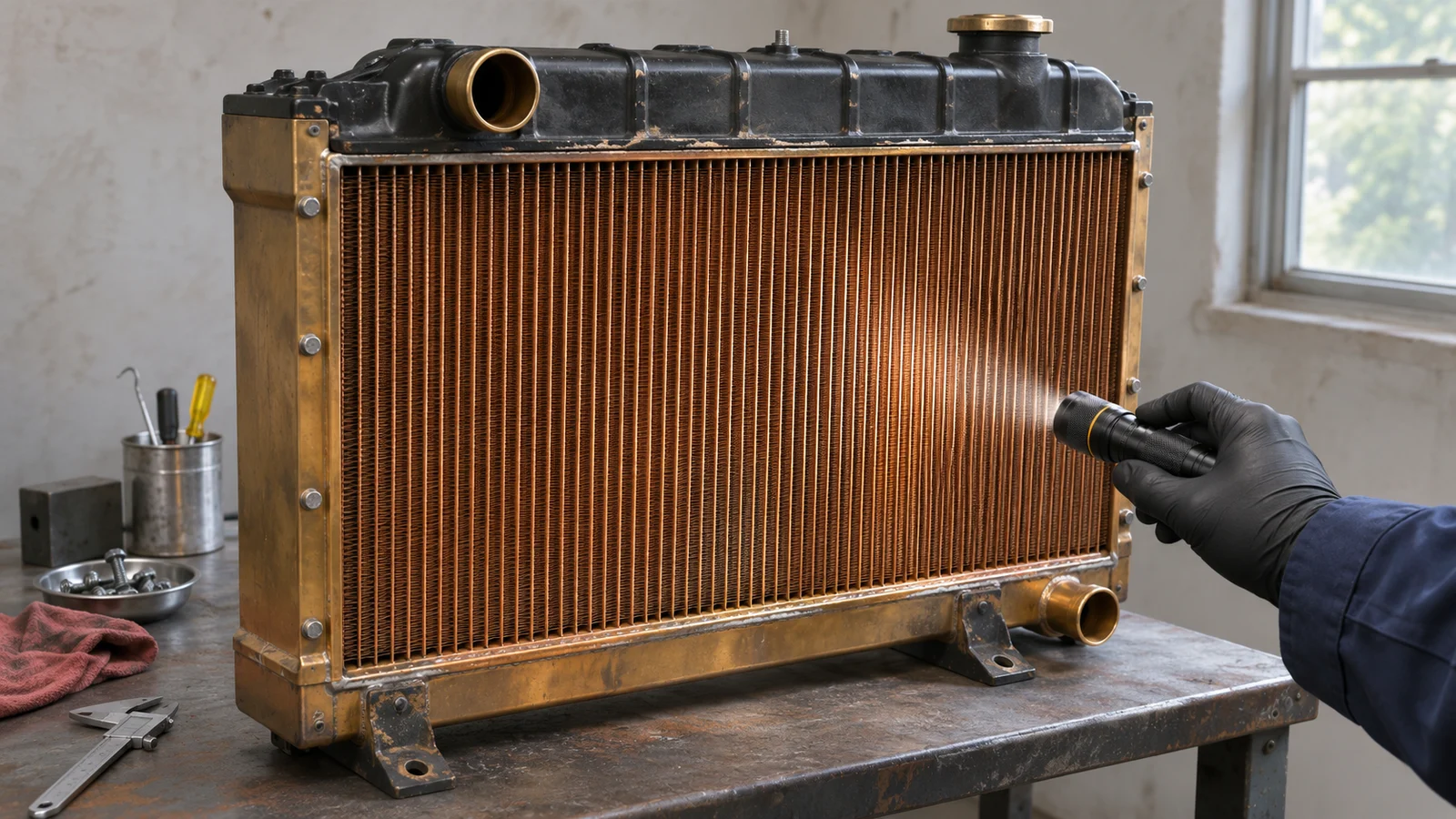
Equipment owners in Fremont can contact Pankey’s Radiator Repair Shop in nearby Hayward to discuss industrial radiator cleaning and repair. Start with the machine model, component details and the symptoms you have noticed. The shop can discuss the inquiry before you make plans to remove or transport a large assembly.
A radiator problem has a way of rearranging the workday. Perhaps the temperature climbs after a machine starts working harder. Maybe there is a small wet patch that keeps returning. Or perhaps the core looks dusty enough to deserve its own job number.
The useful question is what needs attention: the air passages, a leak, the radiator structure or another part of the cooling system. This guide helps Fremont equipment owners prepare that conversation without assuming every overheating machine needs the same work.
Who services industrial radiators near Fremont?
Pankey’s accepts industrial radiator cleaning and repair inquiries from Fremont at its Hayward shop. Its focus is industrial equipment and commercial machinery, including cooling components used in construction equipment, generators and heavy-duty trucks. Passenger-car radiator service is not offered.
That distinction helps when searching for a radiator repair shop. A result about a car’s plastic radiator tank may offer little help with a large equipment assembly. Look for a service page that names the actual component and application, then confirm the shop’s accepted scope for your unit.
Fremont is the equipment owner’s location in this guide, not a second Pankey’s address. The shop is at 21805 Foothill Blvd, Hayward, CA 94541. Call before arranging a visit, especially if the unit is oversized or remains installed in the machine.
A useful first message might identify the equipment, explain the symptom and say whether the component is still installed. You do not need a confident diagnosis to start. You do need enough information to distinguish a radiator inquiry from an oil cooler or charge air cooler inquiry.
Which industrial radiators can a component repair shop assess?
The equipment name is only the beginning. Radiators differ in core construction, tank material, mounting points and connections. Two units that look similar from the front can require different service decisions.
Use the relevant service page to describe your inquiry more precisely:
- Caterpillar radiators and other identified heavy-equipment assemblies
- Excavator radiators, loader radiators and dozer radiators
- Generator radiators and commercial truck radiator components
Check the component label rather than relying on the machine’s brand alone. A cooling stack may place several heat exchangers close together. The part losing coolant may not be the same part carrying engine oil or compressed intake air.
Send a wider photograph showing the whole assembly and a closer photograph of the identification plate. Include fittings and mounting points if they help explain which component you mean. Manufacturer names identify the equipment; they do not imply that Pankey’s is an authorized OEM facility.
Can industrial radiators be repaired instead of replaced?
Some radiator problems may be repairable, but the answer depends on the actual damage, materials and remaining condition. An external photograph or familiar symptom does not establish that another repair will be suitable.
There are several different decisions hiding inside “repair or replace.” A localized problem is different from widespread deterioration. A previous repair may affect what needs inspection. A damaged mounting area may matter even if the visible core looks acceptable.
| Observation | Useful question for the shop | What it does not establish |
|---|---|---|
| Debris across the fins | Is external cleaning an appropriate starting point? | Whether the unit is leak-free internally |
| Repeated wetness near a connection | Where is the leak actually coming from? | That the radiator core itself has failed |
| Visible cracks or damaged structure | Can the materials and damaged area be assessed? | That a repair is practical without inspection |
| Heavy deterioration or repeated repairs | What should be considered before choosing another repair? | That replacement is automatically the only option |
Ask what the proposed assessment can establish and what remains uncertain. A clear explanation of the component’s condition is more useful than choosing an option because its name sounds simpler.
Can cleaning help when industrial cooling equipment overheats?
Cleaning may help when contamination restricts cooling, but overheating can involve more than a dirty radiator. Describe the operating pattern as well as what the component looks like.
Does the temperature change under load, while stationary or soon after startup? Did the issue begin after maintenance? Is there visible coolant loss? Those observations help separate the radiator’s condition from the wider system.
External cleaning and internal cleaning address different places. Removing debris from air passages is not the same task as addressing deposits inside a liquid circuit. Neither task, by itself, fixes every possible leak or airflow problem.
For Cat equipment, Caterpillar’s radiator maintenance guidance advises regular fin cleaning, avoiding high-pressure water and following the machine’s operation and maintenance manual for coolant service. Use the instructions for your actual model rather than transferring a cleaning method from a different machine.
Let equipment cool and follow its isolation procedures before inspection. Leave removal, lifting and cleaning-method decisions to appropriately qualified people. A service inquiry does not require you to improvise a procedure first.
What affects the cost of industrial radiator service?
A useful estimate depends on the component, the work being considered and what inspection reveals. A broad description such as “a construction radiator” leaves several important details unanswered.
Size and construction affect handling and assessment. The location of a leak, visible deterioration, previous repairs and contamination history may influence which options are worth discussing. Availability of suitable parts can also affect the conversation.
Separate component work from other work you may need to arrange. Removal, machine diagnostics, transport and installation are different tasks. Confirm who is responsible for each step rather than assuming a component-service discussion covers the entire machine.
Ask how the estimate will be defined, what assessment is needed first and whether an additional finding would require your approval. This guide does not quote prices or promise a particular repair method. The practical goal is an estimate tied to a clearly identified scope.
What should I send before arranging industrial radiator service?
Put the information in one message if possible. A tidy inquiry saves the back-and-forth of discovering that the model number was in a different conversation.
- Machine make, model and the component identification number, if available
- A full assembly photograph, label photograph and detail of the affected area
- Your Fremont location and whether the component is installed or removed
- Notes on overheating, coolant loss, debris, contamination or visible damage
- Relevant maintenance history and any previous repairs you know about
- The planning constraints you need the shop to understand
Keep observations separate from assumptions. “Wet around the upper connection after operation” describes evidence. “The core definitely needs replacing” is a conclusion that may still need checking.
Before moving the unit, ask how it should arrive and what identifying information should remain with it. Confirm handling arrangements directly. Do not assume pickup, delivery, jobsite attendance or a particular completion date.
What questions should I ask before booking service near Fremont?
Do I need to remove the radiator before contacting Pankey’s?
No. Start by explaining whether the component is installed or already removed. Ask what the shop needs to assess the inquiry and confirm the accepted work and handling arrangements before anyone begins removal.
Can I tell whether cleaning or repair is needed from a photograph?
A photograph can show visible debris or damage and help identify the assembly. It cannot establish every internal condition or prove the source of a leak. Treat photos as useful starting information rather than a complete diagnosis.
Is a charge air cooler the same as a radiator?
No. A charge air cooler handles compressed intake air, while an engine radiator handles coolant. They may sit close together in the cooling stack. Identify the affected component before requesting a service or assuming a leak belongs to one particular circuit.
Does Pankey’s have a Fremont branch?
The shop discussed here is in Hayward at 21805 Foothill Blvd. Fremont equipment owners can contact that shop about industrial cooling-component service. Confirm the arrangements for your component before planning transport.
Does this guide cover passenger-car radiator repair?
No. Pankey’s focus is industrial equipment and commercial machinery, including relevant heavy-duty truck components. For this inquiry, provide the industrial machine or component details so the shop can understand the service you need.
How can Pankey’s help with industrial radiators near Fremont?
Pankey’s offers a place to discuss industrial radiator cleaning and repair from its Hayward shop. Mario and Paul are the owners. Mario is the elder and most experienced; Paul is the estimator and general manager. Bring them the equipment details and a clear account of what you have noticed.
You do not have to know the final answer before reaching out. A useful opening conversation identifies the component, clarifies the service inquiry and establishes what information or assessment is needed next.
For more background, explore the industrial cooling service directory or the heavy-duty cooling service guide. For an actual service inquiry, use the contact page or call the shop directly.