 21805 FOOTHILL BLVD, HAYWARD, CA 94541
 1-510-581-6804
Heavy-Duty Cooling Service: Planning Radiator Repairs for Trucks, Generators and Work Equipment
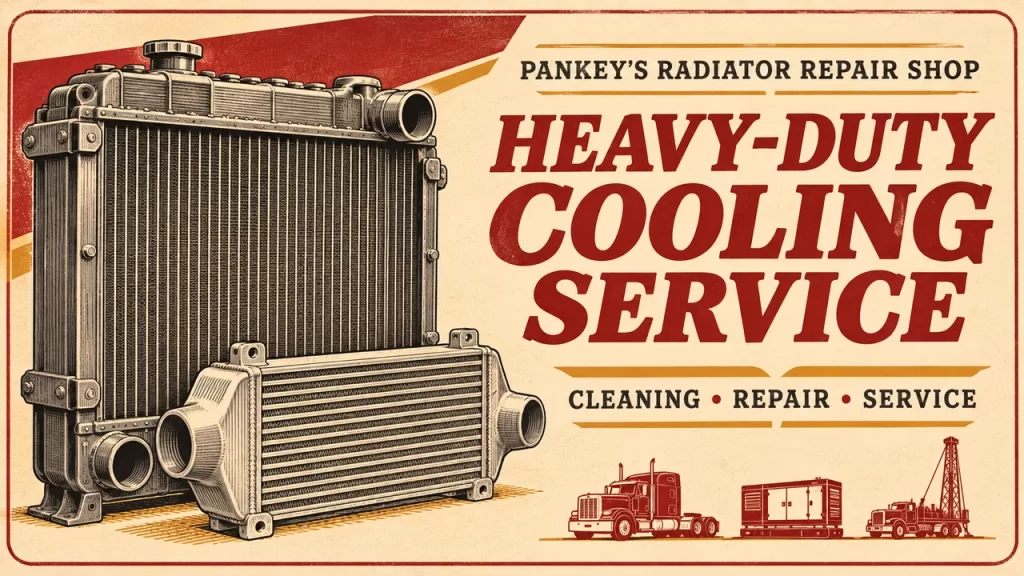
Heavy-duty cooling work is often a coordination job before it becomes a repair job. A commercial truck has a route to cover, a generator has an operating role and a drilling rig has a project schedule. Each can need radiator or cooler service, but the component, wider system and handling arrangements differ. This guide helps Bay Area equipment owners plan cleaning and repair inquiries without treating every cooling complaint as the same job. It covers heavy commercial equipment rather than passenger cars.
Which heavy-duty cooling component needs attention?
Heavy-duty cooling starts with a simple distinction: different machines can share service questions without sharing identical radiators, coolers or specifications.
The engine radiator transfers heat from engine coolant to the surrounding air. A charge air cooler handles compressed intake air, while an oil cooler serves an oil circuit. These components may share a compartment without being interchangeable. Start the service discussion with the actual unit and its application, not simply the largest finned surface visible from outside.
A heavy commercial truck, a standby generator and a drilling rig can have very different cooling arrangements. Manufacturer information and component identification help establish what belongs to each machine. A familiar appearance is useful context but does not establish fit, capacity or an appropriate service procedure for another application.
| Application or component | Useful identification |
|---|---|
| Heavy commercial truck radiator | Vehicle, engine and available radiator information. |
| Generator radiator | Generator set, engine and cooling-system arrangement. |
| Drilling equipment radiator | Rig, engine and the cooling package involved. |
| Charge air cooler | Air-circuit component identity and connection layout. |
| Industrial oil cooler | Oil circuit and available cooler identification. |
If the name is uncertain, send identification and photographs and explain the uncertainty. A wider image showing the component’s position and connections is often more useful than a single tight view of an unidentified fitting. Do not open a hot or pressurized circuit to improve the evidence.
The charge air cooler guide explains the intake-air distinction, while the industrial oil cooler guide covers oil-side service questions. Keeping those component names clear helps the shop and the equipment technician discuss the same part.
What should be recorded when heavy equipment runs hot?
A warning light does not name the failed part. Record the working conditions before turning a cooling complaint into orders.
Overheating is a condition that needs appropriate action, not a complete diagnosis of the radiator. Airflow, coolant loss, circulation and other system conditions may require evaluation. Follow the equipment’s warning procedure first. Once the situation is safe, preserve the actual message or temperature indication and the circumstances in which it appeared.
For a truck, the useful context may include whether the concern appeared during sustained working load or another observed operating situation. For a generator, the operating duty and the point at which a warning appeared matter. For a drilling rig, explain the task and the cooling compartment conditions. These are descriptions to share, not instructions to reproduce a fault.
Avoid turning these details into a diagnosis before the appropriate technician has assessed the system. A machine that runs hot and a machine losing fluid may need related but different investigations. Record each concern separately so one does not disappear behind a general request for radiator cleaning.
A useful handoff stays consistent as it moves from operator to office to service team. “Warning appeared during sustained work; visible deposits are present at this accessible area” gives the next person something to investigate. It is an example of a clear description, not a claim about a particular Pankey’s customer job.
How should cleaning, repair and replacement be separated?
Dirt, a leak and a damaged core need different decisions. Keep those concerns separate while planning the next service step.
Cleaning addresses contamination on identified surfaces or within relevant passages. Repair addresses an identified defect. Replacement raises questions about the correct component specification and installation arrangement. These scopes can be related, but one does not automatically include the others. Ask which work is being considered and what finding supports it.
Exterior contamination can make inspection more difficult, yet removing it does not establish that a leak has been repaired. Similarly, a cooling component can look clean while other conditions in the system remain unresolved. Ask what was observed and which areas were reached, rather than relying on a broad service label.
| Concern | Useful question |
|---|---|
| External buildup | Which surfaces and airflow paths need access? |
| Fluid loss | Has the actual source been identified? |
| Damaged core or tank | What does the extent and surrounding condition show? |
| Repeated complaint | What happened before and after the earlier work? |
| Replacement proposal | Which application and connection details must match? |
Repairability depends on construction, defect location and condition. A blanket rule based on age, size or material alone is not enough. Ask which options fit the actual unit and what checks or limitations apply. If replacement is proposed, preserve the identification details from the original before they are separated from the job.
The equipment manufacturer’s instructions guide methods, operating limits and installation requirements. A procedure for one radiator is not a universal specification for every truck, generator or rig. Keep the article’s general planning advice separate from the qualified technician’s component-specific procedure.
How does the equipment’s operating role change service planning?
Truck routes, generator duties and drilling work create different schedules. Component service works better when the operating context travels along.
A truck owner may be coordinating workshop access and vehicle availability. A generator coordinator may need to align cooling work with the responsible generator service team. A drilling contractor may have project access and removal arrangements to consider. Explain the actual operating role without assuming a component shop manages every part of that wider job.
Generator radiator service should be distinguished from electrical diagnosis, load testing and complete generator maintenance. Those tasks require their own qualified people and procedures. A shop’s radiator listing does not establish that it performs all generator-system work. Keep the scopes explicit when planning the downtime and return to service.
The same distinction applies to commercial trucks and drilling rigs. Component cleaning or repair is not confirmation of vehicle removal, roadside work, rig disassembly or transport services. Ask which work is accepted and what arrangements need to be made before the radiator or cooler leaves the equipment.
For focused guidance, see generator radiator overheating questions, semi-truck radiator service planning and drill-rig radiator cleaning and repair. Each guide keeps the component concern connected to the relevant equipment context, rather than treating the service as an isolated parts transaction.
What should be prepared before a heavy radiator is moved?
Large components bring practical questions before anybody reaches the workbench. Identification, access and handling deserve attention alongside cleaning and repairs.
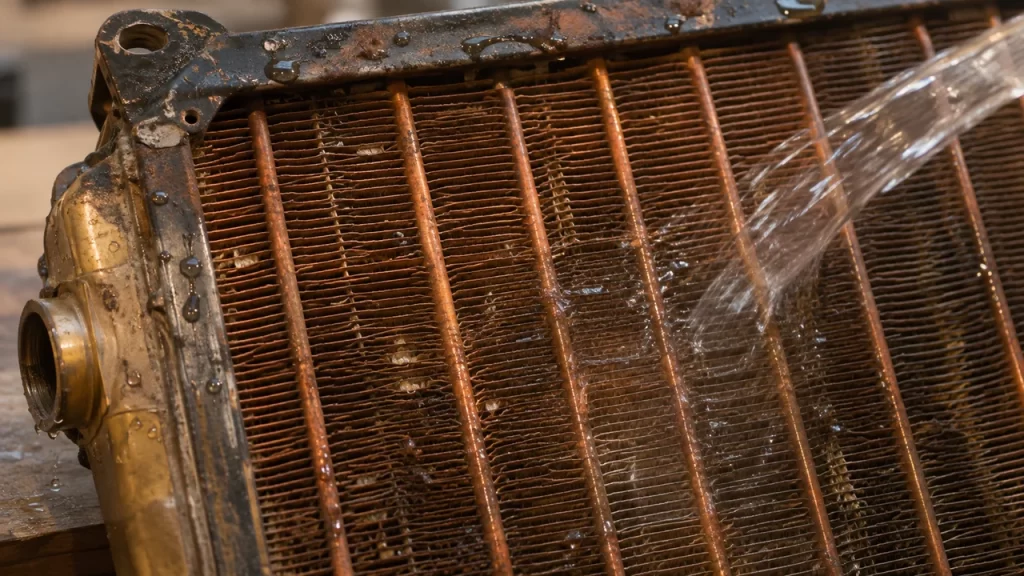
Discuss the unit with the shop before arranging removal or transport. Explain whether it is still installed, which technician is coordinating the equipment work and what identification is available. Handling requirements depend on the actual component and the equipment around it. Do not assume that an online service description includes lifting, draining or transport.
When several similar units are involved, label each job clearly. Keep the component’s history attached to its equipment identity so one cooler does not lose its original complaint in a mixed service batch. Photographs should be organized to show orientation and connections as well as the concern itself.
A useful initial estimate depends on a defined scope. Ask which information is enough for an initial conversation and which findings require inspection. Cleaning, defect repair, replacement parts and wider equipment work should be distinguished. Do not promise the operating team a return date before the component and arrangements have been assessed.
What should happen after component work is completed?
A returned radiator is only one part of returning equipment to work. Keep the original complaint connected to completed service.
Ask for a clear description of the completed scope and relevant findings. The person responsible for reinstallation needs to understand which concern was assessed and what the component work does and does not establish. A general note saying “repaired” can leave important questions unanswered if the original complaint involved the wider system.
Reinstallation and subsequent checks should follow the actual equipment instructions. The qualified technician should determine what is needed for the application. Component service is not permission to bypass warnings, ignore unresolved symptoms or assume every system condition is correct. Keep the operating team’s return-to-service process separate and explicit.
| Record item | What it preserves |
|---|---|
| Original complaint | What the operator or service team first observed. |
| Component findings | What the identified unit showed during assessment. |
| Completed scope | Which cleaning or repair work was actually done. |
| Remaining questions | What the wider equipment technician still needs to address. |
| Equipment identity | Which machine the component belongs to. |
If the concern returns, record the actual conditions and contact the responsible service team with the earlier record. A repeat symptom should not automatically be treated as proof that the same component failed in the same way. The history helps decide which checks and discussions should follow.
For fleets, a consistent handoff format can make this easier without becoming complicated. Keep identification, observations, completed work and remaining responsibilities in one place. That supports a better conversation the next time a radiator, cooler or related cooling component needs attention.
The goal is an informed equipment decision. Cleaning, repair and replacement are useful options when they address the identified need, and the service record should make that connection understandable to the people responsible for the machine.
What questions do equipment owners ask about heavy-duty cooling service?
Fleet and equipment owners usually need clear responsibilities before booking work. These answers help separate component service from wider maintenance.
Does heavy-duty radiator service include passenger cars?
This guide concerns industrial equipment and heavy commercial applications. Pankey’s scope for this content excludes passenger cars. Identify the truck, generator, rig or other equipment in your inquiry so the conversation stays focused on the relevant cooling component and accepted work.
Is a charge air cooler the engine radiator?
No. A charge air cooler handles compressed intake air, while the engine radiator handles engine coolant. They may share a cooling compartment but belong to different circuits. Use the component identification and connection arrangement when discussing which unit needs assessment.
Does overheating always require a new radiator?
No. A temperature complaint can involve several conditions in the cooling system. The radiator may need attention, but the warning alone does not identify the failed part. Follow the equipment procedure and arrange an appropriate evaluation before choosing repair or replacement.
Can cleaning fix a coolant leak?
Cleaning and leak repair address different concerns. Removing contamination can make an area easier to inspect, but it does not establish that a defective connection, tank or core has been repaired. Report both buildup and fluid loss so the scope covers the actual observations.
Does generator radiator work include load testing?
Do not assume that. Cooling-component service, electrical work and generator load testing are separate scopes requiring appropriate people and procedures. Ask the shop what component work is accepted and coordinate wider generator responsibilities with the team maintaining the set.
Should a large radiator be removed before calling?
Discuss arrangements first. Provide identification, symptoms and photographs, then ask what information and handling are needed. Removal, draining, lifting and transport require their own planning with the people responsible for the equipment, and should not be assumed from a service article.
Can a matching-looking replacement be used?
Appearance alone is not enough. The component needs to match the relevant application and specifications, including the required fit and connections. Preserve the original identification and coordinate selection with the appropriate equipment or parts information before treating a similar outline as equivalent.
What helps when the same warning returns after service?
Keep the earlier scope and findings, record the new operating circumstances and contact the responsible service team. A repeated warning does not by itself identify the same cause. The combined history helps determine which component or wider system checks should follow.
How can Pankey’s help with heavy-duty cooling component service?
Planning heavy-duty cooling component work in the Bay Area? Tell Pankey’s what equipment you have and what needs discussing first.
Pankey’s Radiator Repair Shop lists heavy-duty radiator services, generator radiators, semi-truck radiators and drilling equipment radiators. The shop also lists charge air cooler work among its industrial cooling components.
Tell Mario or Paul what equipment the unit belongs to and what happened. Share the available component identity, symptoms and your Bay Area location. Ask which inspection, cleaning or repair options can be discussed and what arrangements are needed before removal or transport.
Keep the component conversation connected to the vehicle, generator or equipment technician responsible for the wider system. Clear scope and handling arrangements help everyone understand the next step without assuming a radiator service listing covers every part of maintaining the machine.
Pankey’s Radiator Repair Shop · 21805 Foothill Blvd, Hayward, CA 94541 · Bay Area industrial equipment service inquiries.
