21805 FOOTHILL BLVD, HAYWARD, CA 94541
 1-510-581-6804
Where Can You Get an Excavator Radiator Cleaned Near Hayward?
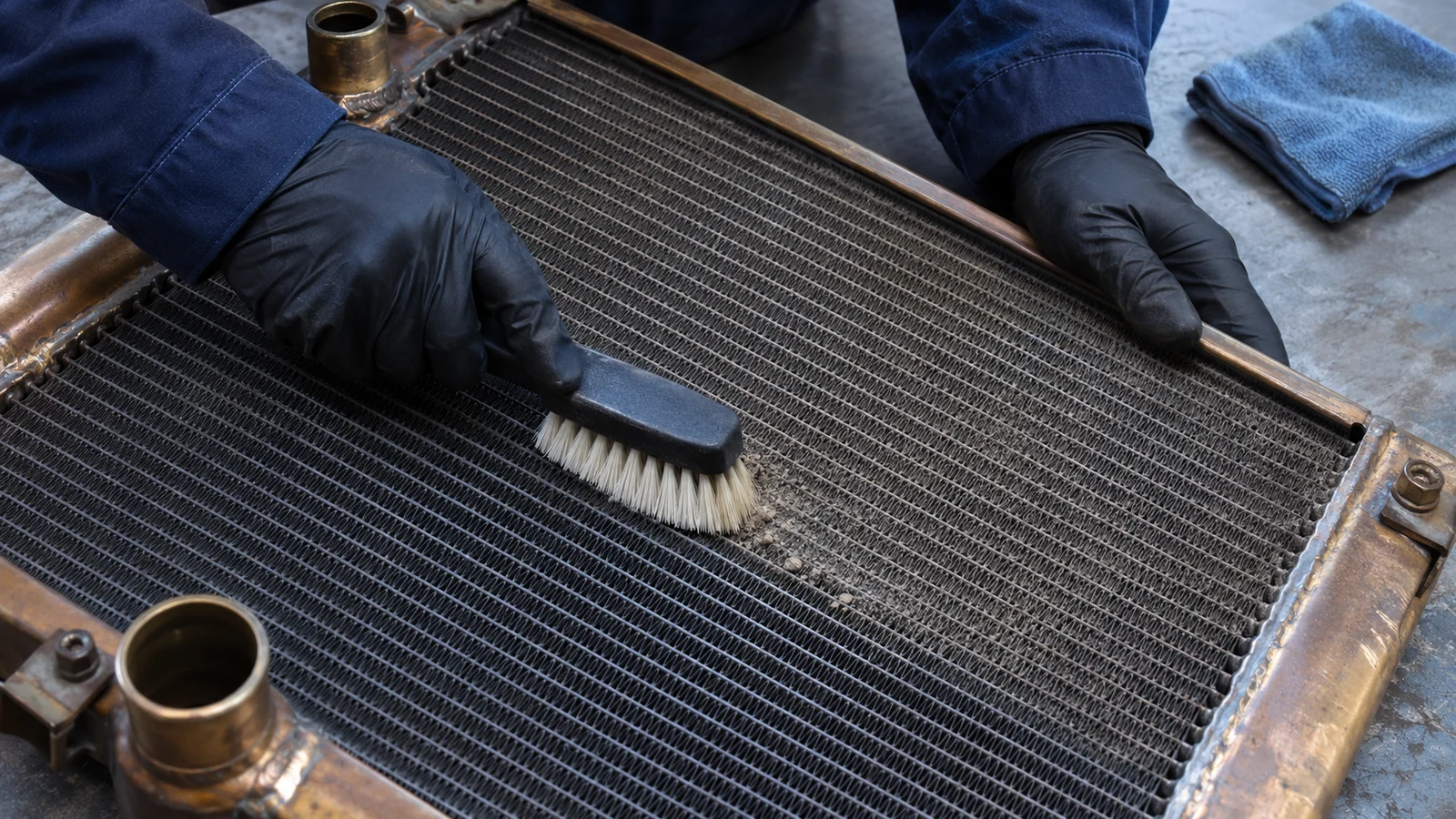
For excavator radiator cleaning near Hayward, contact Pankey’s with the machine model, radiator identification and a clear description of when temperatures rise. A blocked core may need cleaning, while leaks, damaged fins or other cooling-system faults require a different assessment.
An excavator can spend its morning digging in fine dust and its afternoon working beside wet soil. That is a fairly effective recipe for a radiator that collects more than its share of the jobsite. When the temperature starts climbing, though, dirt is a clue rather than a complete diagnosis.
This guide is for equipment owners and maintenance teams looking for industrial radiator service around Hayward. It explains how to separate a cleaning inquiry from a repair inquiry, what information helps a radiator shop and why the rest of the cooling package still matters. It does not replace the operating or maintenance instructions for your particular excavator.
Who services excavator radiators near Hayward?
Start by identifying the machine, not just describing it as a yellow excavator. Make, model, serial information and any identification on the radiator assembly help establish what is actually installed. Older machines sometimes carry replacement cooling packages, so a machine model alone may not tell the whole story.
Then describe the job. Is the temperature rising during sustained digging, travel or an attachment-heavy operation? Does it happen immediately or after an hour? Is a warning displayed? Has coolant been added? These observations help the conversation stay focused without asking the shop to diagnose an entire machine from a sentence.
Pankey’s has an excavator radiator service page for equipment inquiries. The shop is in Hayward. Discuss whether the radiator is still installed, what access is available and who will handle any removal or reinstallation. Do not assume that a component service inquiry includes mobile machine work.
A useful first message can be straightforward: ‘We have an excavator working near Hayward. The temperature rises under load, the outside of the cooling pack has dry dust buildup and we need to understand whether radiator cleaning or repair makes sense.’ Add identifying details and the symptoms you actually observed.
Can cleaning help an excavator that keeps overheating?
Cleaning may help when deposits are restricting airflow through the radiator, but overheating can also involve the fan, shrouding, hoses, coolant condition, circulation or another part of the machine. A clean-looking front face does not prove that the entire cooling stack is clear. Debris can collect between adjacent cores where a casual look will miss it.
Keep the distinction between external and internal contamination clear. Dust, chaff and oily dirt on fins are different from deposits inside coolant passages. The appropriate service depends on where the restriction is, what the component is made from and the manufacturer’s requirements. Calling everything a ‘flush’ can hide those differences.
| What you notice | What to discuss | What it does not prove |
|---|---|---|
| Dry dust across exterior fins | Accessible surfaces, cleaning method and fin condition | That internal passages are clear |
| Oily debris in the cooling stack | Both the buildup and its possible source | That cleaning alone resolves the cause |
| Coolant loss or a damp seam | Leak location and radiator condition | That the radiator is the only leaking component |
| Heat rises with an attachment in use | Which cooling circuit is affected | That the engine radiator is responsible |
Before inspecting, allow the machine to cool, follow isolation procedures and keep clear of moving fans or stored pressure. Do not open a hot pressurized cooling system. If a warning requires shutdown, follow the operator’s instructions rather than continuing work to see whether the reading improves.
Can excavator radiators be repaired instead of replaced?
Sometimes the question changes once the dirt is out of the way. Bent fins, a damaged tank, a worn mounting point or a leaking joint may become easier to see. That does not automatically mean replacement is necessary, but it does mean the condition of the assembly matters more than the amount of dirt it carried.
Ask what can be assessed, what remains uncertain and whether a proposed repair addresses the specific defect. The material, core construction, extent of deterioration and availability of suitable parts can all affect the decision. A small visible mark can hide a larger issue, while a dramatic-looking dirty surface may conceal a sound component.
Inspection also needs context from the machine. A radiator that has been rubbing against a bracket or carrying an unsupported hose may develop a repeat problem if the underlying installation issue remains. Note any loose mounts, vibration changes or recent work without assuming that they caused the fault.
If replacement is discussed, confirm the relevant dimensions, connections and mounting arrangement against the installed assembly. Do not select a replacement solely because a listing includes the excavator’s brand. Cooling packages can differ within a product family. For broader background, read our excavator radiator cleaning and repair guide.
What affects the cost of excavator radiator service?
The scope drives the estimate. External access, the type of contamination, component size, material and the presence of leaks or physical damage can change what is involved. An installed cooling stack may raise different access questions from a detached radiator delivered for assessment. Explain which situation applies before asking for a price.
Ask the estimator to distinguish inspection, cleaning and any proposed repair. Find out what information is needed before a scope can be confirmed and how additional findings would be discussed. This gives you a clearer decision than comparing two numbers that describe different work.
Transport and handling are practical parts of the conversation as well. A large radiator needs suitable protection for fins, necks and mounting tabs. Confirm how it should be prepared and delivered. Do not improvise lifting points or drain arrangements from an online article.
Keep a simple record of what happens afterward: operating conditions, temperature behavior and any remaining warnings. Cleaning a component does not certify the rest of the excavator’s cooling system. If the symptom remains, the next diagnostic step should follow the machine’s service guidance rather than automatically repeating the same cleaning.
What questions should I ask before booking service near Hayward?
Can I clean the excavator radiator while it is hot?
Allow the equipment to cool and follow its maintenance and isolation instructions. Hot coolant, stored pressure and moving components create hazards. Do not open a hot pressurized cooling system or work near a fan that can start unexpectedly.
Does a dirty radiator always explain overheating?
No. Restricted airflow can contribute, but overheating may involve other cooling-system or operating issues. Report the buildup alongside the temperature behavior, coolant loss, warning messages and any recent maintenance instead of treating dirt as a confirmed diagnosis.
Should I use a pressure washer on the fins?
Do not assume that more pressure is better. Fins can be damaged by unsuitable cleaning. Follow the machine and component instructions, and ask about an appropriate method for the material, access and type of contamination.
Can I send photos before bringing the radiator in?
Ask the shop how it prefers to receive them. An overview, identification label, connections and a close-up of the concern can help. Photos support the discussion but cannot establish every internal condition or replace an assessment.
Is excavator radiator service the same as automotive radiator service?
No. This inquiry concerns industrial equipment, its radiator assembly and related cooling components. Identify the excavator clearly when contacting Pankey’s, whose service focus is industrial and commercial equipment rather than passenger cars.
How can Pankey’s help with excavator radiators near Hayward?
Pankey’s Radiator Repair Shop is based at 21805 Foothill Boulevard in Hayward. Mario and Paul are the owners. Mario is the elder and most experienced member of the pair, and Paul handles estimating and general management. That gives your inquiry a useful starting point: explain the equipment and what you need assessed.
Bring the machine identification, a description of the symptom and any available radiator details. Ask how to share photos and what should happen before removal, transport or work is arranged. The contact form is a way to start that discussion; it is not a substitute for confirming a service scope.
For an excavator working in Hayward or elsewhere in the Bay Area, the aim is a sensible next decision about the actual radiator. Sometimes that conversation centers on cleaning. Sometimes the evidence points toward a leak, damage or further machine diagnosis. Clear information helps keep the discussion grounded in the component rather than a guess.