 21805 FOOTHILL BLVD, HAYWARD, CA 94541
 1-510-581-6804
Low Boost or a Leaking Charge Air Cooler? How to Organize the Clues
What does low boost tell you about the charge air system?
A low-boost reading describes a performance problem under particular conditions and gives the technician a place to start looking first.
Boost relates to air pressure supplied to the engine. A turbocharged engine’s air path includes the compressor outlet, connecting pipework, the cooler and the downstream intake. A leak can occur at more than one point along that route. Other conditions that affect air delivery or engine operation may also need investigation under the manufacturer’s diagnostic process. Record the complaint in terms the technician can compare with the machine’s fault data.
“Low boost on a loaded grade after twenty minutes” is a more useful report than “turbo went bad.” If a display provided a value, record its units and where it was read. If a diagnostic tool recorded a requested and actual value, share the technician’s report. Conditions matter when comparing readings from separate trips, shifts or work cycles. Record whether the issue was repeatable, intermittent or tied to a recent repair.
Keep a distinction between a fault code and its interpretation. Capture the complete code and any associated warning or derate. If the operator felt a power loss without seeing a measured boost value, write down the power loss as observed. Give the technician the record before any code-clearing or part changes directed by the repair plan.
Ask the dispatcher or operator to keep the original wording in the work order. If multiple operators notice the issue, record each observation with its own load and conditions. Patterns across runs can help the technician choose which inspection to prioritize.
Which observations help a technician look for a boost leak?
Useful observations include the load, sound, timing and recent work, plus the location of any visible connection or core damage.
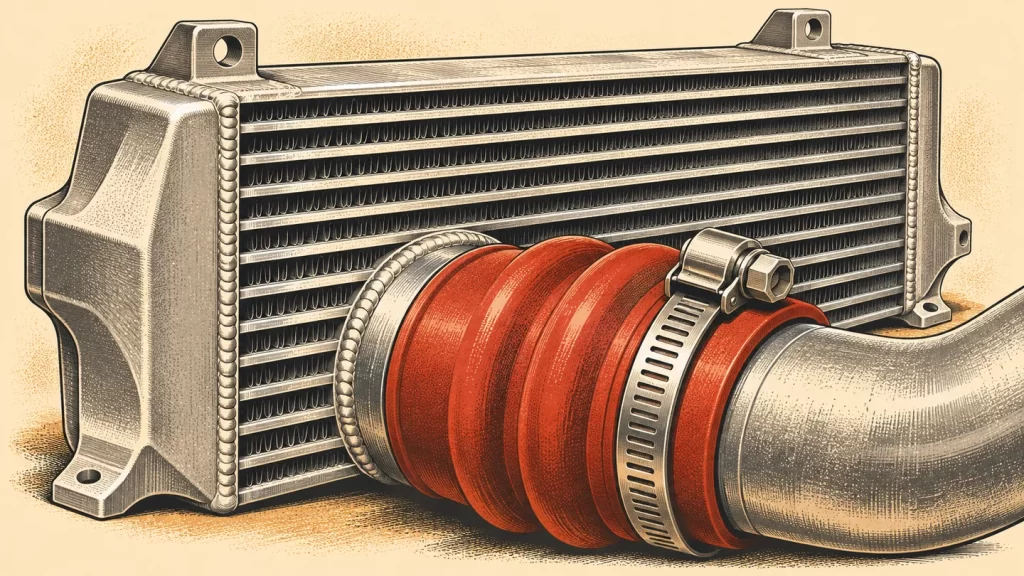
A hiss, a loose connection or an oily mark around a joint can help direct inspection. None of those observations identifies the cooler core on its own. Detroit’s Gen 5 DD platform operator manual discusses checking the cooler, ductwork and flexible connections for leaks and looking for damaged boots and clamps. Follow the manufacturer’s instructions for the actual application and keep hands clear of hot or moving equipment.
| Operator or service record | The next question to raise |
|---|---|
| Power falls under sustained load, no reading recorded | Can the technician retrieve a fault record and identify the conditions safely? |
| Hiss under load started soon after intake work | Which connection or support was disturbed and what inspection does the maker call for? |
| Loss traced to a specific cooler seam | What was the test boundary and is the part ID and leak location documented? |
| Low boost remains after a boot change | Which checks are complete and what remains open elsewhere in the system? |
On a work truck, note whether the event occurred with an empty trailer, a load or a climb. On construction equipment, note the task, engine state and whether the problem appeared during travel or work. Preserve the existing observations. A technician should decide if a controlled operating check is needed and how to conduct it safely.
When does the cooler itself become a service candidate?
A documented finding at the cooler helps connect the operating complaint to a specific component that a shop can discuss.
Examples include a leak localized at a cooler tank seam or a visibly damaged port with a technician’s assessment. A failed check that included boots or pipework leaves the location open until the technician can isolate the concern. Ask whether the reported defect is on the pressure side, the external fin face or a mounting area. The next decision differs for each.
A mounted unit may look similar to the engine radiator next to it. Capture the machine identity and cooler part number if safely available. Ask the technician for wide photos that show routing, plus details of the affected area. Keep the part ID with the report, especially if the cooler is removed and sent away from the equipment.
If the cooler passes its applicable leak assessment, return to the unresolved diagnostic questions with the equipment technician. A pass for the core does not settle the entire installed system. A separate external airflow concern can still matter if temperature is part of the complaint. Ask the technician to separate those findings in the work order.
What should a low-boost handoff include before parts are ordered?
Give the service team a concise record of operating conditions, prior work and the findings they can use to decide.
Start with the unit number, machine and engine identifiers and the operator’s original description. Add the affected task and load, elapsed run time before the event and any dash warning. List recent work on ducts, hoses, clamps, turbocharger or the cooling stack, with dates if available. Put a technician’s test reports and photos after those facts. Label what is still unknown.
If the issue started after multiple repairs, order the notes by time. For example, “First warning on Tuesday under load. Outlet boot replaced Wednesday. Same warning on Friday. No isolated core result yet.” That sequence lets the technician decide which work is relevant and avoids confusing a performed repair with a verified diagnosis.
If a heavy commercial vehicle or machine shows an active warning or derate, use the equipment maker’s instructions and the responsible technician’s direction for continued operation. The service inquiry can proceed from the existing record. A machine does not need to be run again simply to obtain a more complete photo or sound recording.
What do owners ask about low boost and cooler leaks?
These questions help owners separate symptoms, measured readings and documented component findings before discussing repairs or buying parts for equipment.
Does low boost mean the charge air cooler leaks?
A leak in the charge air path is one possibility. The technician needs the operating record and relevant inspection or test results to locate the cause.
Can a loose boot or clamp cause an air leak?
Yes. Flexible connections and clamps are part of the charge air path. Record which joint was checked and what the technician found.
Is a hiss enough to choose a replacement cooler?
Record when it occurred and share it with the technician. Choose the next part decision from a localized finding and the correct application details.
What if a new cooler does not resolve the complaint?
Bring the existing inspection and repair records back to the equipment technician. Ask which checks remain open and whether the symptom changed.
How can Pankey’s help when a cooler concern is confirmed?
When you have evidence at the component, use it to start a focused conversation about your industrial charge air cooler.
Pankey’s Radiator Repair Shop in Hayward lists charge air cooler services. If your technician identified a component concern, share the equipment, cooler number, installed or removed status and any photos or test report. Ask what service can be considered for that particular part and confirm handling before arranging transport. Let the equipment technician manage the wider low-boost diagnosis and operating decisions.
