21805 FOOTHILL BLVD, HAYWARD, CA 94541
 1-510-581-6804
Who Cleans Generator Radiators Near San Jose?
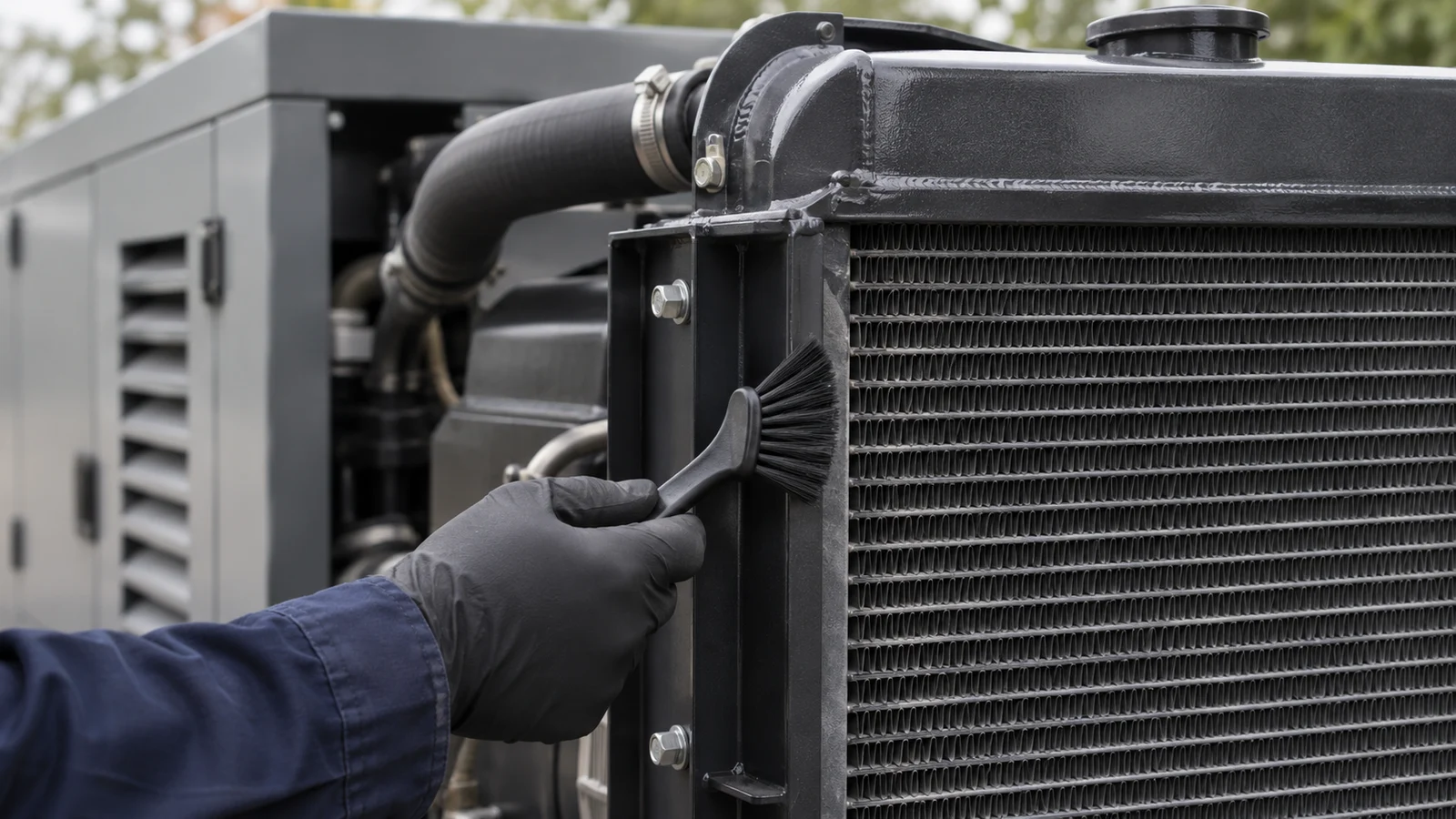
San Jose facility and maintenance teams can contact Pankey’s in Hayward about generator radiator cleaning or repair. Identify the generator and cooling configuration, report the observed contamination or leak and keep radiator service separate from electrical and whole-generator work.
A standby generator may spend long periods waiting and then be expected to carry a critical load. That duty makes maintenance coordination important, but it does not turn every temperature concern into a radiator-cleaning diagnosis. The radiator, fan arrangement, enclosure airflow and overall cooling system must be described accurately.
This guide helps San Jose teams prepare a component-service inquiry. It does not replace the generator manufacturer’s instructions, authorize a shutdown or claim that Pankey’s provides electrical, controls or complete generator maintenance.
Who services generator radiators near San Jose?
Look for a radiator shop that lists generator cooling components, then verify the actual assembly. A small enclosed standby unit, a large remote radiator and a horizontal arrangement can present very different component questions. The word generator does not define the radiator by itself.
Pankey’s lists generator radiator service from its Hayward location. For equipment in San Jose, contact that shop with the model and component details. This article does not establish a San Jose branch, jobsite service or responsibility for the entire generating set.
Record the generator manufacturer, model, serial or site equipment ID, rated configuration used in your documentation and radiator markings. Note whether the radiator is integral, remote, vertical or horizontal and whether it remains installed.
Describe the reason for the inquiry: visible debris, a leak, damaged fins, a recurring temperature alarm or planned maintenance. Do not state that cleaning will fix an alarm unless the cause has been established.
Identify the facility contact who controls shutdown, isolation and restart. Generator work may affect life-safety or business continuity procedures. A radiator-service conversation should not bypass the site’s own qualified maintenance and authorization process.
Does the generator need radiator cleaning or a wider cooling-system check?
Exterior debris may reduce airflow through a radiator, yet a generator cooling complaint can also involve enclosure ventilation, fan performance, coolant condition, controls or load conditions. Report what is visible and what the monitoring system recorded without collapsing those facts into one conclusion.
Photograph the radiator face, surrounding enclosure, fan side if safely accessible, connections, label and any leak evidence. Note whether contamination is dry dust, oily material, fibers, insects or another substance. Material compatibility matters when discussing a cleaning approach.
Cummins’ liquid-cooled generator-set application manual shows why cooling arrangement and installation conditions are configuration-specific. Use the manuals and qualified procedures for the actual generator rather than converting this article into a cleaning instruction.
Ask who is responsible for diagnosing the wider system and who is considering the radiator itself. If the component must be removed, confirm how the generator will be secured and who handles draining, disconnection, lifting and reinstallation. None of those services should be assumed from a radiator article.
| Evidence | Radiator question | Separate coordination |
|---|---|---|
| Debris on core face | What cleaning scope fits the material? | Enclosure intake and site environment |
| Temperature alarm under load | Is the radiator implicated? | Controls, load and system diagnosis |
| Coolant residue at a connection | What component assessment is needed? | Isolation, draining and hose work |
| Damaged frame or fins | Can the assembly be evaluated for repair? | Fan clearance and installation condition |
Can generator radiators be repaired instead of replaced?
Generator radiators can sometimes be discussed for repair, but the decision depends on the construction, defect and overall condition. A localized joint or tank concern is not the same as widespread corrosion, extensive core damage or a distorted support frame.
Ask what inspection or testing supports the recommended work. If a leak is suspected, document the location without promising that the visible wet area is the source. Fluid can travel from a connection above the point where it is first noticed.
Cleaning should remain a distinct item. External dirt, internal deposits and oil contamination are not interchangeable conditions. A cleaning method must suit the radiator material and contaminant, and it must not be applied as a generic procedure to an energized or installed generator.
If replacement is considered, preserve connection geometry, dimensions, mounting details and fan relationship. A unit model can help, but installed remote radiators and site-specific configurations may require direct component identification.
After component work, the party responsible for the complete generator must decide how the system is reassembled, filled, checked and returned to service. Do not treat a radiator repair receipt as proof that all generator operating issues are resolved.
What affects the cost of generator radiator service?
Cost follows the defined component scope. Radiator size, construction, contamination, access, previous repairs and the extent of damage can affect the discussion. Site work, generator diagnosis and electrical or controls services are separate and should not be hidden inside a vague request for cleaning.
Ask what the shop needs for an initial assessment and what cannot be known until the component is available. Clarify how findings beyond the original request would be communicated and who is authorized to approve them.
Confirm removal, lifting, transport and reinstallation arrangements. This article does not promise pickup, delivery, on-site service or a completion time. Facility teams should coordinate any shutdown and backup coverage through their established procedures.
For planned maintenance, keep the generator ID, radiator identification, photographs and last known operating observations together. That record helps distinguish one unit from another in facilities with multiple similar generators.
If the work is connected to a compliance or maintenance schedule, state the date and required documentation without asking the radiator shop to certify work outside its scope. The actual agreement should identify who owns each decision.
Facility teams should also preserve the as-found information before cleaning or disassembly changes it. That may include alarm logs, photographs and notes about blocked surfaces or fluid residue. The record is not a substitute for diagnosis, but it gives the generator technician and radiator shop a shared starting point. After the component work, update the record with the exact scope completed rather than a vague notation that the generator was fixed.
Before the radiator leaves the site, document connection locations, brackets, shrouds and airflow orientation. Label removed hardware according to the facility’s maintenance practice. These details belong with the generator team because correct reassembly and return-to-service checks extend beyond a loose component repair. A component that looks symmetrical on a bench may still have an installed direction, clearance or connection relationship that matters.
If several generators serve the same property, do not rely on room names alone. Use the equipment identifier from the maintenance program on every photograph, message and approval. That discipline prevents a finding from one radiator from being copied into another unit’s record and helps the facility compare recurring contamination without assuming identical causes.
What questions should I ask before booking service near San Jose?
Does Pankey’s have a San Jose generator service branch?
No. Pankey’s is one shop in Hayward. San Jose teams can contact it about a generator radiator component and confirm the accepted work and arrangements.
Does radiator cleaning include electrical generator maintenance?
No such scope is implied. Radiator component work, generator electrical service, controls work and complete system diagnosis are separate responsibilities that must be confirmed.
Can visible dust explain a temperature alarm?
It may be relevant, but it does not prove the cause. Record the contamination, alarm conditions, load and other system findings so the appropriate providers can evaluate their respective scopes.
Should the generator be tested under load before calling?
Follow the facility’s qualified maintenance plan and the generator instructions. Do not run equipment or create a load solely for an article-based test. Existing logs and safe observations are useful.
Can photos identify whether the radiator needs repair?
Photos can show configuration, contamination and visible damage. They cannot establish every internal condition or replace the assessment needed for a repair decision.
How can Pankey’s help with generator radiators near San Jose?
Pankey’s in Hayward handles industrial cooling-component inquiries, including generator radiators. Mario and Paul own the shop. Mario is the elder and most experienced, and Paul is the estimator and general manager.
San Jose operators can begin by calling with the generator and radiator identity, configuration, contamination description and the service question. Confirm what the shop can assess and what must remain with the generator maintenance provider.
For more background, review Pankey’s generator radiator repair and maintenance article. Then return to the manual and records for the exact unit before making decisions.