21805 FOOTHILL BLVD, HAYWARD, CA 94541
 1-510-581-6804
Where Can You Get Tractor Radiator Repair Near Pleasanton?
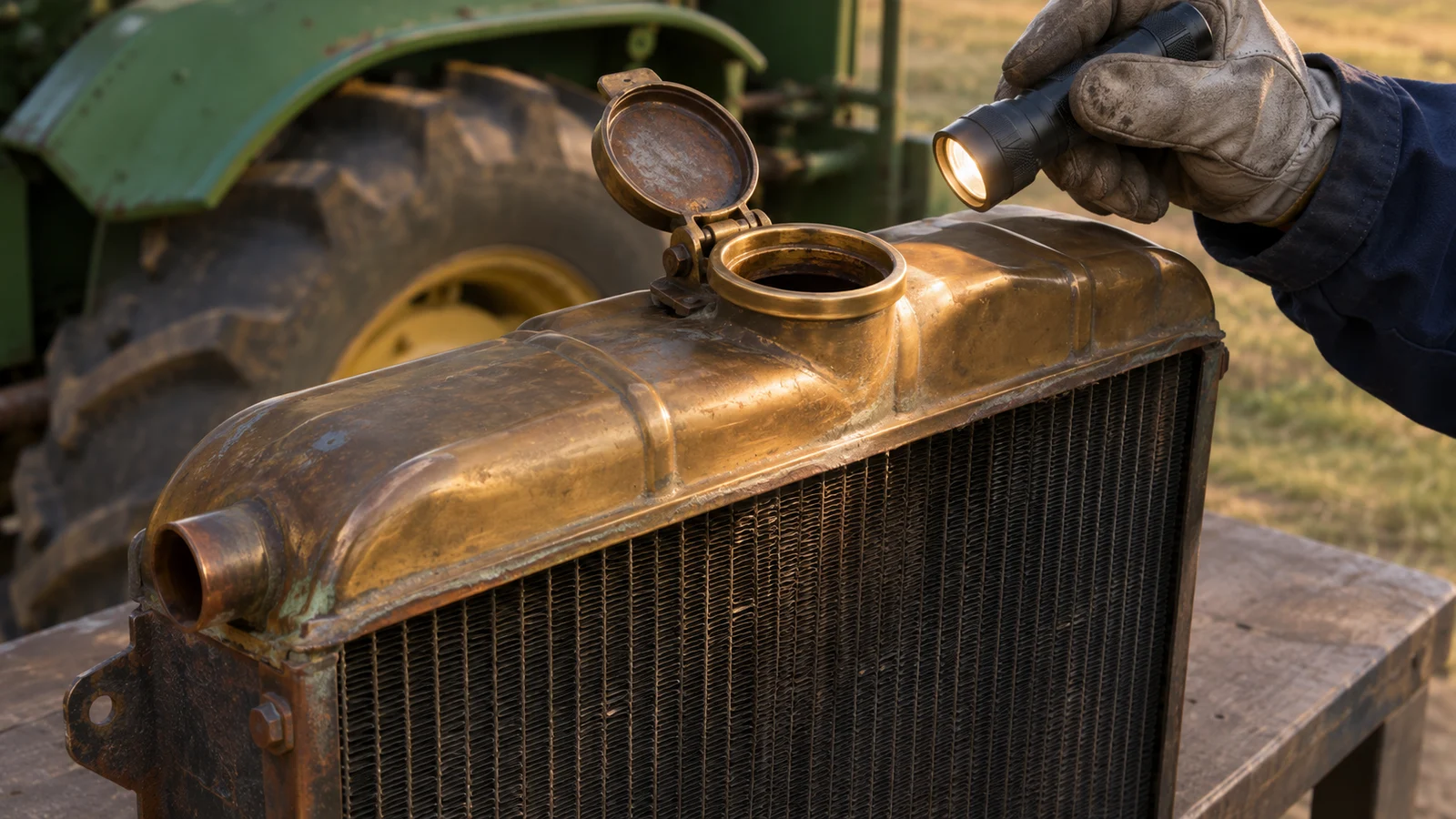
Pleasanton equipment owners can contact Pankey’s in Hayward about tractor radiator cleaning and repair. Share the tractor identity, installed radiator details, operating symptoms and photographs before deciding whether cleaning, repair or further machine diagnosis is needed.
A tractor radiator can collect seed material, dust and field debris while also being exposed to vibration and occasional contact damage. Those conditions make a careful record more useful than a quick statement that the tractor overheats.
This guide helps agricultural, landscape and commercial equipment owners near Pleasanton prepare a component inquiry. It does not cover passenger cars, promise field service or claim that one radiator solution fits every tractor configuration.
Who services tractor radiators near Pleasanton?
A tractor radiator shop inquiry should name the equipment and component, not rely on a generic radiator request. Older machines, optional packages and previous replacements can produce different connections and mounting arrangements within the same model family.
Pankey’s lists tractor radiator service from its Hayward shop at 21805 Foothill Blvd. Pleasanton equipment owners can contact that location, but the page does not create a Pleasanton branch or promise collection from a field or yard.
Provide the tractor manufacturer, model, year or serial information available in your records. Add radiator labels, casting marks or part numbers and explain whether the unit appears original or has been replaced.
Describe the symptom in operating terms. Does the temperature rise during mowing, tillage, transport, extended idling or another task? Was coolant added? Is there a visible leak, a blocked core or damaged mounting? Keep observations separate from a final cause.
Confirm whether the request is for the radiator component or a wider tractor cooling-system diagnosis. Fan drive, thermostat, coolant circulation and engine condition may sit outside the component service scope.
What tractor model and radiator information does a repair shop need?
Photograph the complete radiator, then the tanks, core face, hose connections, drain, mounting tabs and any shroud or guard contact. If the radiator remains installed, include enough surrounding structure to show orientation. A close-up of green residue without context may not identify where fluid originated.
Measure only after asking what is needed. Overall height and width may help, but core dimensions, connection positions and mounting geometry can be more important. Use a consistent reference and label each view rather than sending a list of unexplained numbers.
Record the debris environment. Dry chaff on the outer face, oily buildup and material packed between stacked coolers present different questions. Do not apply a high-pressure cleaning method just to improve a photograph.
Caterpillar’s radiator guidance recommends using the equipment’s operation and maintenance manual and warns against high-pressure water that can damage fins. Even for a different tractor brand, the broader lesson is to use the instructions for the actual machine rather than a universal cleaning shortcut.
| Information | Why it matters | Limit |
|---|---|---|
| Tractor model and serial | Establishes machine context | Does not prove installed radiator identity |
| Radiator label and connections | Distinguishes the component | Unreadable marks may need dimensions |
| Field-debris description | Frames a cleaning discussion | Does not confirm the cause of overheating |
| Mount and shroud photos | Shows contact or alignment concerns | Cannot establish hidden damage |
Can tractor radiators be repaired instead of replaced?
Repair can be considered when the radiator’s construction and remaining condition support it, but a photograph alone cannot decide that. A localized tank or joint issue differs from a core with widespread deterioration, multiple prior patches or severe impact damage.
Ask what defect the repair would address and whether nearby material changes the recommendation. If vibration or a loose mount appears related, that machine-side condition also needs attention. Component work should not be expected to cure the reason the radiator was repeatedly stressed.
Cleaning is not the same as repair. Removing chaff from fins will not mend a leak, while sealing a localized leak will not restore airflow through a packed core. Internal deposits are a different service question again.
If replacement is discussed, compare the installed radiator directly. Connection angle, filler position, mounting holes, shroud clearance and overall construction can matter. A seller’s model reference is useful evidence but not a substitute for fit confirmation.
Preserve the old component’s identification and photographs until the decision is complete. They can help explain a nonstandard modification or previous replacement that is not obvious from the tractor record.
What affects the cost of tractor radiator service?
A price comparison only makes sense after defining the same scope. Cleaning, leak assessment, localized repair, recoring and replacement are different conversations. Component construction, damage, contamination and parts availability can affect what is practical.
Ask what the shop can learn from the initial information and what requires the radiator to be available. Confirm how additional findings would be discussed and who is authorized to approve them for the farm, contractor or fleet.
Clarify removal, transport and reinstallation responsibilities. This Pleasanton article does not promise mobile work, pickup, delivery or a free estimate. If the tractor is immobile, discuss the component situation before making assumptions about handling.
Explain genuine scheduling constraints without converting them into a guaranteed turnaround. A shop needs to identify the radiator and assess the agreed work before a responsible plan can be made.
Keep the service record with the tractor model, radiator identification and symptom history. When equipment changes hands or seasonal crews rotate, that record helps the next person understand what was observed and what component work was actually completed.
When several tractors share a yard, label removed radiators and photographs before parts are moved. Similar tanks and cores can look alike once they are off the machine. A simple unit number tied to the component, measurements and service discussion reduces the chance that a correct observation is applied to the wrong tractor. It also makes later fit and maintenance questions easier to answer.
Review the proposed scope against the evidence before authorizing it. If the request started with a leak but the work description addresses only cleaning, ask whether the leak assessment is separate. If physical damage is visible near a mount, ask who will inspect the tractor-side bracket or shroud. Clear exclusions prevent a component repair from being mistaken for a complete correction of every condition around it.
After service, keep the as-found photographs and the completed work description together. If the tractor again runs hot under a particular task, the maintenance team can see what was previously observed and what was actually done. That record supports a more focused next diagnosis instead of repeating the same assumptions or replacing parts without a shared history.
Seasonal timing can make owners eager for an immediate answer, but the inquiry should remain factual. State the date by which the tractor is needed and ask what can be confirmed after assessment. Do not turn a desired field schedule into a promised repair date or pressure an operator to continue using equipment that is showing a warning.
What questions should I ask before booking service near Pleasanton?
Does Pankey’s have a Pleasanton tractor shop?
No. Pankey’s is located in Hayward. Pleasanton equipment owners can contact that shop about a tractor radiator and confirm the service and handling arrangements.
Can the tractor model identify the radiator by itself?
It helps, but previous replacements and optional configurations can differ. Include radiator markings, connection and mounting photos and any dimensions the shop requests.
Should I remove field debris before taking photos?
Start with safe documentation and the machine instructions. Do not use an aggressive method simply to improve the picture. An overview of the contamination can help frame the cleaning question.
Can a radiator repair solve every overheating problem?
No. The radiator may be one part of the investigation. Fan operation, coolant circulation and other tractor systems may require separate diagnosis even when the radiator needs work.
Do I have to bring the complete tractor?
Ask first. Explain whether the radiator is installed and what assessment is needed. Confirm component removal, transport and installation responsibilities rather than assuming a full-machine appointment.
How can Pankey’s help with tractor radiators near Pleasanton?
Pankey’s Radiator Repair Shop serves industrial and commercial equipment from one Hayward location. Mario and Paul own the shop. Mario is the elder and most experienced, while Paul handles estimates and general management.
Pleasanton tractor owners can contact the shop with the machine identity, radiator information, photographs and the decision they need help framing. Ask what should be provided before any removal or transport is arranged.
A productive inquiry distinguishes debris, leakage, physical damage and whole-machine behavior. That clarity helps the shop discuss the radiator component without overstating what can be concluded from a city-targeted article.