21805 FOOTHILL BLVD, HAYWARD, CA 94541
 1-510-581-6804
Who Services Horizontal Generator Radiators Near San Jose?
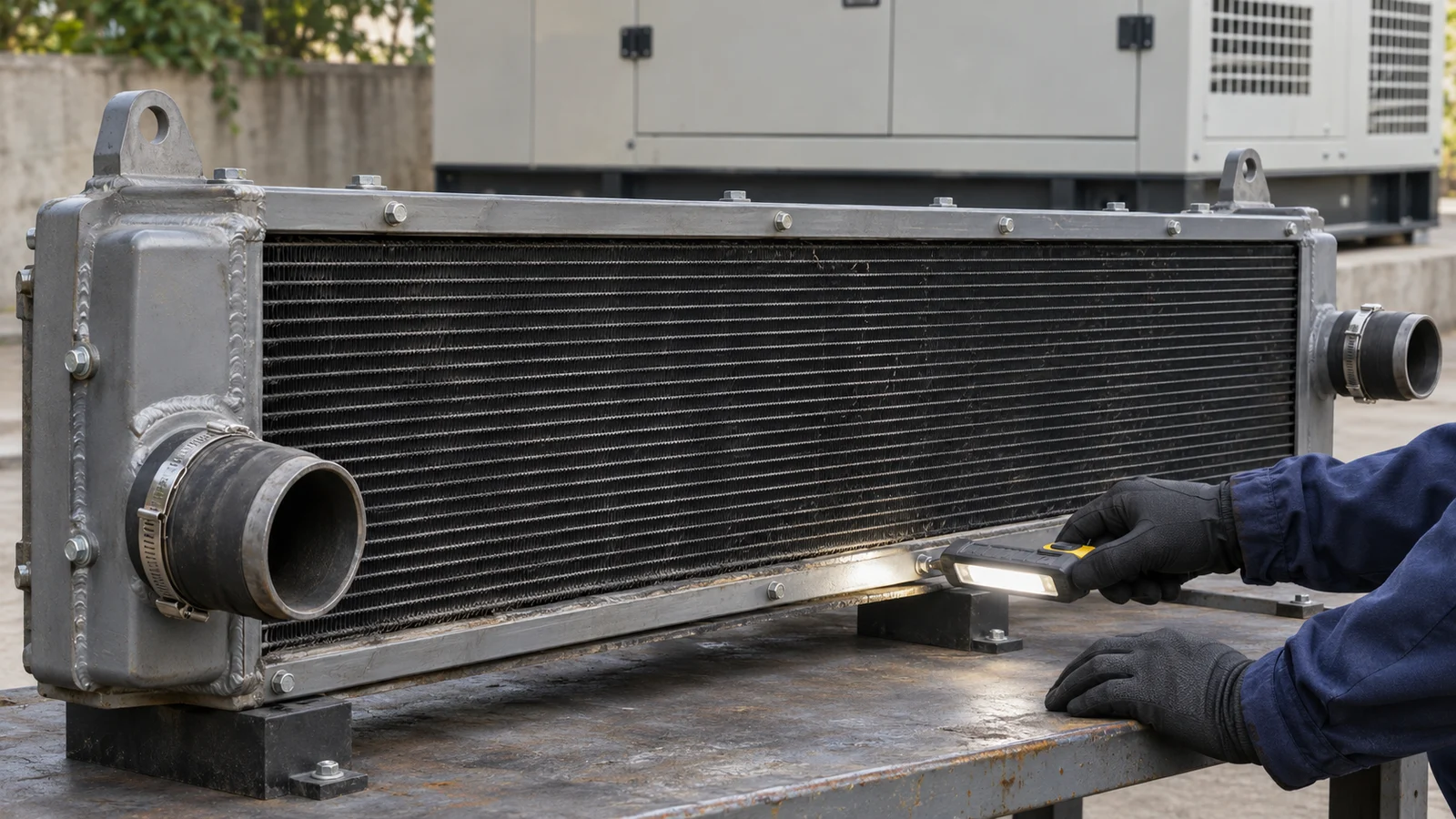
San Jose facilities can contact Pankey’s in Hayward about a horizontal generator radiator component. Document orientation, airflow direction, ports, supports, fan relationship and contamination before discussing cleaning or repair.
Horizontal radiator layout affects how a component is supported, drained, accessed and lifted. It also changes how debris can settle on an upward-facing core or within an enclosure. Those details should stay attached to the service record when the radiator leaves the generator.
This guide covers the radiator component, not generator electrical service, controls work or a promise of on-site maintenance in San Jose.
Who services horizontal generator radiators near San Jose?
Choose a shop that lists horizontal generator radiator service and state the configuration. A remote horizontal radiator, integral package and roof-mounted or enclosure-specific unit can present different handling and system responsibilities.
Pankey’s lists horizontal generator radiator service from Hayward. San Jose operators can contact that shop, but no local branch or jobsite service is promised.
Provide the generator and radiator identity, dimensions, connection positions, fan and shroud relationship, supports and orientation photographs. Mark airflow direction and installed top where appropriate.
Describe the concern: debris accumulation, coolant loss, damaged fins, mount distortion, temperature alarm or planned maintenance. Keep system symptoms separate from confirmed component defects.
Identify who controls shutdown, isolation, lifting and recommissioning. Radiator work does not include electrical, controls or complete generating-set diagnosis unless specifically confirmed.
Why does horizontal generator radiator layout matter for service?
Orientation can influence access to the upper and lower core faces, drainage, trapped debris and how the radiator is supported. A large flat assembly may flex differently during removal than in its installed frame.
Photograph support rails, lifting provisions, fan clearance, shroud, guards, ports and any signs of rubbing or settling debris. Do not use delicate fins, necks or tanks as improvised lifting points.
Cummins’ liquid-cooled generator-set application manual shows that generator cooling arrangements are configuration-specific. Use the exact generator and radiator documents for engineering and maintenance decisions.
Record whether the fan is attached to the radiator module or separately supported. Component handling should preserve alignment information even when the fan is outside the radiator shop’s work.
| Layout detail | Record before removal | Reason |
|---|---|---|
| Installed top and airflow | Labels and wide photographs | Preserves orientation |
| Support rails | Contact points and fasteners | Frames handling and distortion concerns |
| Fan and shroud | Clearance and alignment | Separates component from system work |
| Ports and high points | Connection position and routing | Supports correct reinstallation planning |
Can horizontal generator radiators be repaired instead of replaced?
Repairability depends on construction, defect, access and overall condition. A localized tank, seam or support problem differs from widespread core damage or distortion across a large horizontal frame.
Ask what inspection or testing supports the repair. If a support issue contributed, the generator installation provider should inspect the frame and alignment before the radiator returns.
Cleaning may address debris on an exposed upper face or hidden underside, but it does not repair leakage. Internal deposits present a different service question.
Replacement comparison requires dimensions, ports, supports, airflow, fan relationship and application requirements. A large radiator with matching length and width is not automatically suitable.
Document what work is completed and which generator-side checks remain. Component service does not certify the entire cooling package.
What affects the cost of horizontal generator radiator service?
Cost depends on size, construction, contamination, damage, testing and handling. Horizontal geometry may make lifting and support planning important even when the repair itself is localized.
Ask what the shop can determine from documentation and what requires the component. Confirm change-authorization and testing expectations.
Clarify removal, lifting, transport, storage and reinstallation. This San Jose page does not promise crane work, pickup, delivery, site service or turnaround.
Keep orientation labels and photographs with the asset record. When the component returns, compare ports, supports and protected surfaces before installation.
Share outage constraints as planning information, not a guarantee request. The facility’s generator provider should manage backup coverage and return-to-service procedures.
Before removal, develop a lift and support plan from the generator and radiator documentation. A horizontal assembly can be wide and flexible. Supporting it at the wrong points may twist the frame or place loads into tanks and connections that were never intended to carry the component’s weight.
Record installed level, support-pad locations and fastener or isolator arrangement. If one corner has settled or a rail is distorted, that context may explain repeated stress. The generator contractor should evaluate the supporting structure separately from the radiator component repair.
Map every port, drain, vent and high point. Horizontal orientation can make draining and trapped air considerations configuration-specific. The responsible generator provider should use that map and the manufacturer instructions during removal and recommissioning rather than relying on memory.
When debris rests on an upward-facing core, document whether it is dry, oily, fibrous or affected by weather exposure. A cleaning method that moves loose leaves may not address bonded oily material, and an aggressive method can damage fins. Ask what method suits the actual condition.
If the unit is a remote radiator, keep pipe or hose loads out of the component assessment. Unsupported connections can stress necks and tanks. The facility or generator contractor should inspect supports, expansion provisions and alignment before the radiator returns.
Ask how leak or condition testing will account for the component’s construction and service information. Do not prescribe values from an unrelated generator. Keep the resulting test description with the asset record so future teams know what was actually evaluated.
Protect the core during transport and storage. A horizontal radiator laid flat can appear stable while still being vulnerable to objects placed on the fin surface. Use appropriate supports and covers that do not trap damaging contamination or load delicate areas.
After installation, the generator provider should check fan clearance, airflow direction, connected systems and return-to-service procedures. Component work does not authorize energizing the generator or certify the complete cooling design.
For outdoor or rooftop equipment, document weather exposure and any guards, screens or louvers that affect debris entry. Do not remove protective structures for better airflow without engineering review. The radiator cleaning question and the enclosure design question belong to different responsible parties.
If the underside is difficult to see, state that limitation rather than declaring it clean. A mirror, camera or removal step may be considered by qualified personnel under the site procedure, but no one should climb, reach or work near rotating equipment solely to complete an article checklist.
When a horizontal assembly has multiple sections, label them consistently in photographs and service records. Left and right should be defined from one installed viewpoint. This prevents a repair note about one tank or core area from being applied to the opposite side during reinstallation.
Keep the removal and return dates, component ID and approval receipts with the generator asset. In a facility with several similar units, this documentation avoids swapping conclusions between radiators and supports the next maintenance interval without inventing a universal schedule.
The completed work order should preserve orientation, test description and any excluded generator-side tasks. That record helps the next facility technician distinguish a radiator component service from enclosure, fan, controls or system work that may still be required.
What questions should I ask before booking service near San Jose?
Does Pankey’s have a San Jose generator branch?
No. Pankey’s is in Hayward. San Jose facilities can contact the shop about a horizontal generator radiator component.
Why should I label radiator orientation?
Horizontal units can have configuration-specific airflow, supports and ports. Preserving installed top and direction helps handling, assessment and reinstallation planning.
Does radiator service include generator electrical work?
No such scope is implied. Electrical, controls, load testing and complete generator diagnosis are separate responsibilities.
Can I lift a horizontal radiator by its tanks or ports?
Do not improvise lifting points. Use the equipment documentation and a qualified handling plan appropriate to the component’s weight and structure.
Can cleaning the top face resolve every temperature alarm?
No. It may address relevant debris, but fan, enclosure, coolant, controls and other system conditions may require separate diagnosis.
How can Pankey’s help with horizontal generator radiators near San Jose?
Pankey’s is a single Hayward industrial cooling shop owned by Mario and Paul. Mario is the elder and most experienced, and Paul is the estimator and general manager.
San Jose facilities can call with the horizontal radiator identity, orientation map, photographs and service question. Confirm safe preparation and handling before removal.
The generator and radiator manuals remain the primary source for configuration, lifting, installation and operation. Use Pankey’s component discussion to define the agreed cleaning or repair scope.