21805 FOOTHILL BLVD, HAYWARD, CA 94541
 1-510-581-6804
Where Can Commercial Fleets Get Truck Radiator Repair Near Oakland?
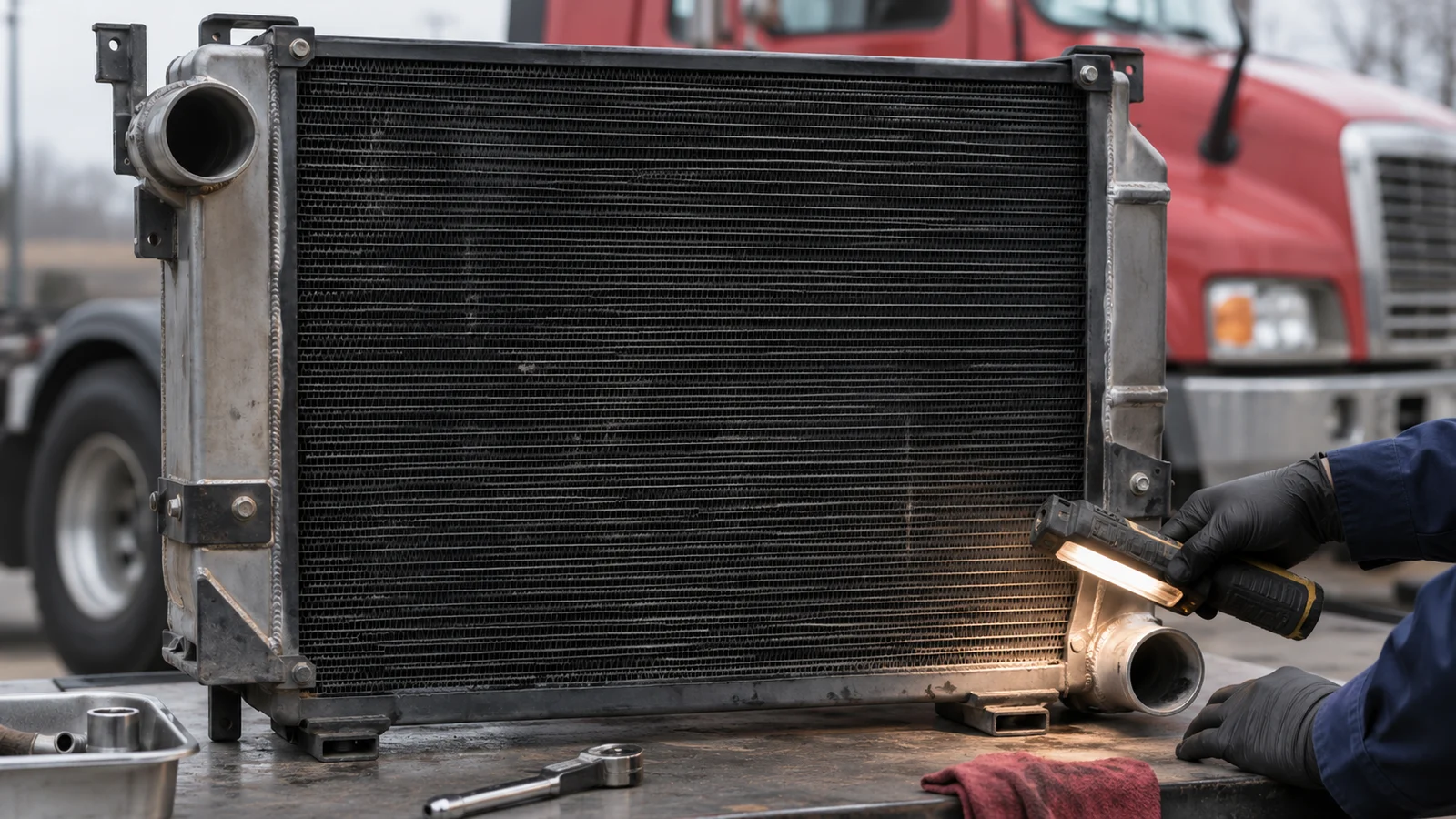
Commercial fleets near Oakland can contact Pankey’s in Hayward about truck radiator cleaning and repair. Identify the truck and installed radiator, describe the symptoms and confirm the component service scope before arranging removal, transport or work.
A truck with a cooling concern creates two conversations at once. The driver knows what happened on the road, and the person arranging service needs enough detail to make the next decision. ‘It ran hot’ is an important start, but it leaves a radiator shop with quite a few unanswered questions.
This guide helps Oakland fleet coordinators, commercial vehicle owners and maintenance teams prepare a clearer inquiry. The focus is the radiator and related industrial cooling components, not passenger cars. The practical goal is to connect the reported symptom to the assembly being considered for service.
Who services commercial truck radiators near Oakland?
Look for a radiator repair shop whose listed work includes the equipment you operate. A commercial truck radiator inquiry is different from a passenger-car service appointment or an order for a replacement part. State the vehicle type and the component question at the beginning.
Pankey’s lists truck radiator service among its industrial offerings. Its shop is at 21805 Foothill Boulevard in Hayward. For a truck operating around Oakland, call to discuss the installed assembly and the work you want considered. This is not a separate Oakland branch.
Explain whether your maintenance team is investigating the whole vehicle or has already identified a radiator concern. That distinction helps avoid treating component work as an automatic answer to every overheating complaint. Keep diagnosis, component service and reinstallation responsibilities clear.
Which commercial truck radiators can a component repair shop assess?
Begin with the truck make, model, year and relevant identification. Add the radiator’s own markings if available. Fleet vehicles can have previous replacements or configuration changes, so the installed component is important even when several trucks share the same model name.
The cooling package may include a radiator, charge air cooler and other heat exchangers. Do not use those names interchangeably. A charge air cooler handles a different circuit from the engine coolant radiator. If you are uncertain, provide an overview and ask what information would establish the component’s identity.
Freightliner’s 108SD and 114SD driver guidance includes inspection of the radiator and charge air cooler for damage and accumulated debris. That is useful context, but the instructions for your specific truck still control maintenance procedures.
Confirm whether the inquiry concerns a loose component or an installed cooling package. Never assume a radiator shop’s component listing includes truck towing, road service, engine diagnostics or complete vehicle repairs.
Can commercial truck radiators be repaired instead of replaced?
Repair versus replacement is a condition question. A localized defect, a damaged tank, a compromised mounting point and widespread deterioration can lead to different discussions. Material, construction and parts availability also influence what can reasonably be considered.
Ask the estimator which defect the proposed work addresses and whether the rest of the assembly changes the recommendation. A repair description should make sense against the observed problem. Avoid comparing one quote for cleaning with another for replacing an assembly as though they describe the same work.
If a replacement is being discussed, preserve the installed unit’s identification and connection details. Dimensions, mounting points and associated fittings matter. A parts listing that mentions the truck model is a starting point for identification, not proof of fit for every configuration.
Can cleaning help when industrial cooling equipment overheats?
Cleaning may be relevant when debris restricts airflow through the radiator or adjacent cooling components. It is a different service question from repairing a leak. Internal contamination and exterior debris are different again, so explain what has actually been observed.
A truck can run hot for reasons beyond a dirty radiator. Report warning messages, coolant additions, operating load and recent work without declaring a cause before it has been established. Follow the vehicle’s instructions for warnings and safe shutdown. Do not open a hot pressurized cooling system.
| Reported concern | Information to gather | Service question |
|---|---|---|
| Temperature rises under load | Conditions, warnings and recent maintenance | Is the radiator implicated or is more vehicle diagnosis needed? |
| Coolant appears near a tank | Location and whether the source is confirmed | What component assessment is appropriate? |
| Debris blocks core surfaces | Type of buildup and accessible views | What cleaning scope applies? |
| Core or bracket is damaged | Overview, close-up and installation context | Can the assembly be assessed for repair? |
What affects the cost of commercial truck radiator service?
The scope needs to be defined before a useful price comparison is possible. Component size, construction, condition and contamination can all affect what is involved. Installed access and the need for suitable parts can introduce additional questions.
Ask what the initial assessment includes and how any further findings would be communicated. Identify who can authorize additional work for the fleet. Clear approval contacts help prevent a driver, dispatcher and maintenance manager from each assuming someone else has made the decision.
Confirm removal, transport and reinstallation arrangements directly. A local service inquiry does not establish that collection, delivery or on-site work is included. Keep the proposed work tied to a particular fleet unit and radiator identification so the estimate does not become detached from the actual component.
What should I send before arranging commercial truck radiator service?
Prepare a short handoff rather than a long email chain. Include the fleet unit number, truck identification, radiator markings, symptoms, operating conditions and whether the component remains installed. Attachments should be provided using whatever method the shop confirms.
Separate the driver’s observations from maintenance findings. ‘Driver saw a temperature warning on a loaded climb’ is different from ‘maintenance confirmed a leak at a radiator joint.’ Both can be useful, but combining them into one unverified diagnosis can confuse the service request.
Keep one person responsible for answering follow-up questions and approving the scope. If several similar trucks need attention, label photographs and records by unit. A clear component record is particularly helpful when previous replacements mean that similar vehicles no longer have identical cooling packages.
If your fleet records temperature data, retain the actual readings and the conditions alongside them. Avoid assigning a universal normal temperature from an unrelated truck. The vehicle and engine documentation are the appropriate references for operating limits and warning responses.
What questions should I ask before booking service near Oakland?
Can I contact Pankey’s about a commercial truck rather than a car?
Yes, identify the commercial truck and radiator assembly when making the inquiry. Pankey’s focus is industrial equipment and commercial machinery. Confirm that the particular component and proposed work fit the shop’s scope.
Do I need to bring the whole truck?
Discuss the situation first. Tell the shop whether the component is installed and ask what assessment or service is being considered. Confirm removal and handling responsibilities rather than assuming that a complete vehicle appointment is required or available.
Can a radiator repair fix every overheating complaint?
No. A cooling complaint can involve other vehicle systems. Component service addresses an agreed radiator concern. Further vehicle diagnosis may be needed when the cause is uncertain or symptoms remain after component work.
What should the driver record?
Record the warning or temperature behavior, operating load, when the symptom appeared and any visible fluid loss that could be observed safely. Keep observations factual. Do not ask a driver to perform an unsafe roadside inspection to complete a service request.
Should a charge air cooler concern be included in the same inquiry?
Mention it clearly as a separate component. The shop needs to know which cooling circuit and assembly you mean. Related symptoms can provide context, but a radiator and a charge air cooler should not be treated as the same part.
How can Pankey’s help with commercial truck radiators near Oakland?
Pankey’s Radiator Repair Shop is based in Hayward and accepts industrial equipment and commercial machinery inquiries. Mario and Paul are the owners. Mario is the elder and most experienced of the two, while Paul handles estimating and general management. Bring the component details and the service question you need answered.
For Oakland fleet operators, the next step is a conversation about the radiator’s condition and the work being considered. Ask what information is needed before any component is removed or transported. For background, the heavy-duty cooling guide covers related service questions.
A practical handoff does not require your team to know every answer in advance. It requires a clear record of what happened, which assembly is involved and who will make the next decision. That keeps a radiator inquiry focused and useful.