 21805 FOOTHILL BLVD, HAYWARD, CA 94541
 1-510-581-6804
Loader Radiator Cleaning: Why Dust Builds Up and When Repairs Are Needed
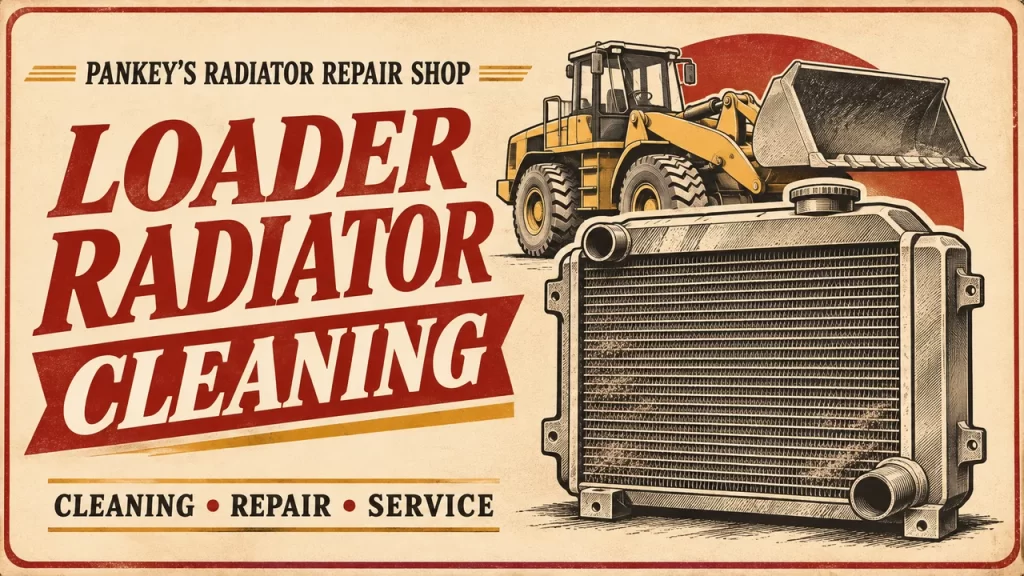
Dust is part of many loader jobs, but a recurring cooling complaint deserves a closer look than “it must be dirty again.” A useful service conversation distinguishes exterior contamination, leakage, operating conditions and the work already performed. This guide explains how to discuss loader radiator cleaning and repair without assuming every temperature warning has the same cause. It covers industrial construction equipment and connects Bay Area owners with Pankey’s in Hayward. Follow the machine’s operating and maintenance instructions before checking or servicing the cooling package.
For a wider look at cooling components, cleaning and service planning, start with our industrial radiator repair and cleaning guide.
Why does a loader cooling package collect dust and debris?
A loader spends its day moving material, so dust comes with the territory. Cooling problems still deserve more than assumptions.
A loader’s work environment can expose cooling surfaces to airborne material. The type of material and its condition differ between jobs, so the service description should be specific. Dry dusty handling, vegetation and oily contamination are not interchangeable observations. Explain what collects around the cooling package and how quickly it seems to return.
The radiator may share a compartment with oil or intake-air cooling components. Those components belong to different circuits even when they are grouped closely. A visible layer at the front does not describe every surface in the arrangement, and a temperature complaint does not identify the affected circuit on its own.
Use the equipment’s approved inspection and maintenance access. The practical question is what the service team needs to see, not how an untrained person can reach deeper into the machine. For related equipment categories, Pankey’s industrial radiator service catalog provides the existing service destinations.
When is loader radiator cleaning worth discussing?
If routine attention isn’t resolving a contamination concern, describe exactly what was cleaned. The inaccessible areas may need separate discussion.
Cleaning is worth discussing when material is difficult to remove or reach, the work already completed is unclear or the same concern repeatedly returns. The objective is to define what needs attention and which method suits the component. A request for “a good wash” does not establish that the whole relevant airflow path will be evaluated.
Ask whether the concern is exterior contamination, suspected internal contamination or both. Exterior cleaning and coolant flushing address different areas. If a shop proposes one procedure, ask what it is intended to address and what other inspection may still be necessary. This keeps the estimate tied to the reported problem.
More aggressive cleaning is not automatically more appropriate. Component construction and manufacturer instructions set the method. Avoid improvised chemicals, high-pressure washing or bending fins to improve appearance. If access requires moving guards or other components, discuss that work with people qualified to perform it.
The service record should describe what was done rather than simply marking “cleaned.” A useful record identifies the component, surfaces addressed and any observations requiring follow-up. That detail helps the next person understand what has already been investigated.
Why might a loader keep overheating after cleaning?
A cleaner surface doesn’t answer every cooling question. Repeated warnings are a reason to investigate the system rather than guess.
An overheating complaint can involve the radiator, other cooling components or the wider system. A unit may look cleaner while a separate leak, airflow issue or other fault remains. If the problem continues, describe how the symptom changed after service rather than assuming the cleaning failed or immediately buying a new radiator.
| What happened after attention | Next discussion |
|---|---|
| Visible debris returned quickly | Describe the material exposure and whether contamination has another source. |
| Temperature warnings continued unchanged | Ask what additional system evaluation is appropriate. |
| Coolant loss remains visible | Treat leakage as a separate concern requiring inspection. |
| The warning occurs under a particular task | Record the operating context without reproducing an unsafe condition. |
A task-based description helps. For example, record whether the warning appeared during material handling or travel, and whether it occurred early or later in the shift. These are observations for a technician, not proof of a cause. Follow the machine’s warning response rather than continuing work to collect more data.
A radiator shop and the equipment maintenance provider may have different roles. Keep responsibility for component work and the surrounding machine diagnosis clear.
What should you gather before arranging loader radiator service?
The best starting information is usually already around the machine. Gather identification, a clear symptom history and a few photographs.
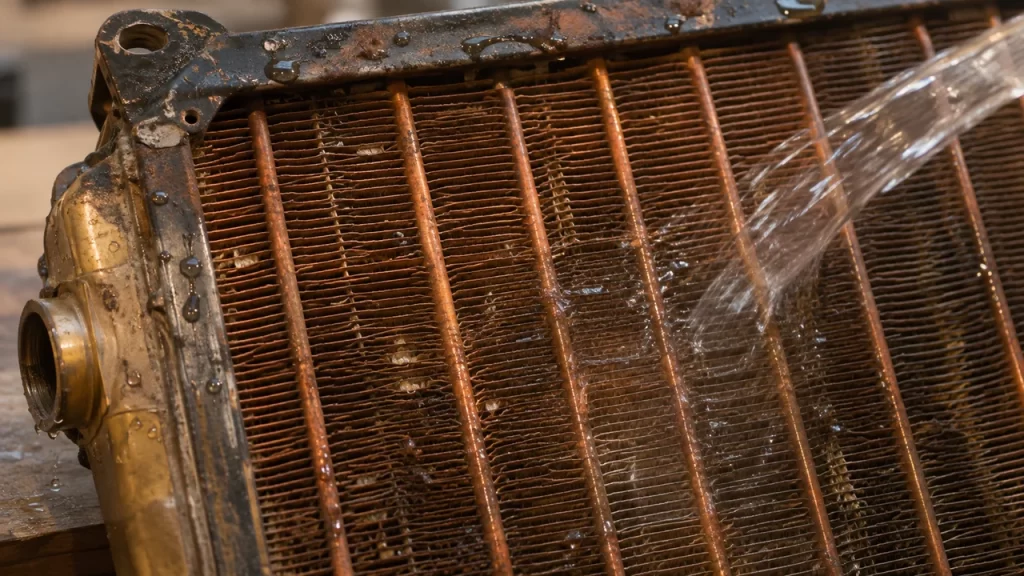
Supply the loader make, model and available serial or radiator identification. Photographs should show the whole accessible component, connection layout and areas of concern. If the installed unit has been replaced or modified, include that history. A familiar-looking core does not establish that another unit will fit.
For a Bay Area worksite, give the actual location and explain the schedule you are trying to coordinate. Ask what information or inspection is needed before planning around a completion date. Avoid treating an initial conversation as a confirmed quote or turnaround commitment.
Keep the operator’s description attached to the work order. A maintenance coordinator may arrange the job, but the person who saw the warning often has the most useful information about its timing and context. Clear records keep those observations available through the service handoff.
What questions do owners ask about loader radiator cleaning?
A few clear questions can keep the conversation focused. These answers help separate routine maintenance from a component service decision.
Is washing the front of the cooling package always enough?
Not necessarily. The visible surface may not represent the complete cooling arrangement, and the machine’s approved access matters. Describe which surfaces were addressed and ask whether other areas need inspection. Do not assume that appearance alone confirms adequate airflow through the entire cooling package.
Does a coolant flush replace exterior radiator cleaning?
No. Coolant service concerns the coolant circuit, while exterior cleaning addresses a different side of the component. Which work is appropriate depends on the condition and complaint. Describe the symptom and ask what each proposed procedure covers rather than using cleaning and flushing as interchangeable terms.
Should a loader radiator be replaced when overheating returns?
A repeated warning needs evaluation, but it does not automatically establish that the radiator should be replaced. The component and surrounding system may need investigation. Share the service history and operating conditions so the person evaluating the equipment understands what changed and what remained the same.
How do I choose a cleaning interval for dusty loader work?
Start with the machine’s maintenance instructions and use inspection records to understand actual exposure. Work conditions can differ substantially between loaders and jobs. A universal interval may ignore those differences. Ask the maintenance provider how observations should inform the inspection and cleaning plan for that equipment.
How can Pankey’s help with loader radiator cleaning and repair?
If your loader radiator needs attention, share the machine details with Pankey’s. Discuss the contamination, symptoms and possible service arrangements.
Pankey’s Radiator Repair Shop in Hayward lists loader radiator repair and cleaning in its industrial catalog. A service inquiry can focus on your component, the working conditions and what has already been cleaned or repaired.
Tell Mario or Paul whether you are seeing repeated contamination, temperature warnings or leakage. Provide identification and photographs where available, then ask what information or inspection is needed. Bay Area owners can also review heavy-duty radiator services when discussing related industrial equipment. Confirm the accepted work and arrangements before transporting a component.
Call 510-581-6804 Request Service
Pankey’s Radiator Repair Shop · 21805 Foothill Blvd, Hayward, CA 94541 · Serving Bay Area equipment owners. Call to discuss your component, location and service needs.
